Electric bikes are becoming a popular choice for commuting and recreation. They are efficient, eco-friendly, and often cheaper to run than cars. However, many buyers focus only on the purchase price and ignore long-term expenses. This is where electric bike ownership costs become important.
The real cost of owning an e-bike goes far beyond the initial payment. Maintenance, battery replacement, charging, and repairs all add up over time. Many users are surprised when ongoing expenses start increasing after the first year. Understanding these hidden costs helps you make a more realistic and informed decision before buying.
Initial Expenses Beyond the Sticker Price
The price tag of an electric bike is only the beginning. Several additional costs appear at the time of purchase that many buyers overlook.
Taxes, Registration, and Delivery Charges
In many regions, electric bikes may include taxes, registration fees, or delivery charges. These can vary depending on local regulations and bike category. Even small fees can increase the overall purchase cost significantly.
Essential Accessories and Safety Gear
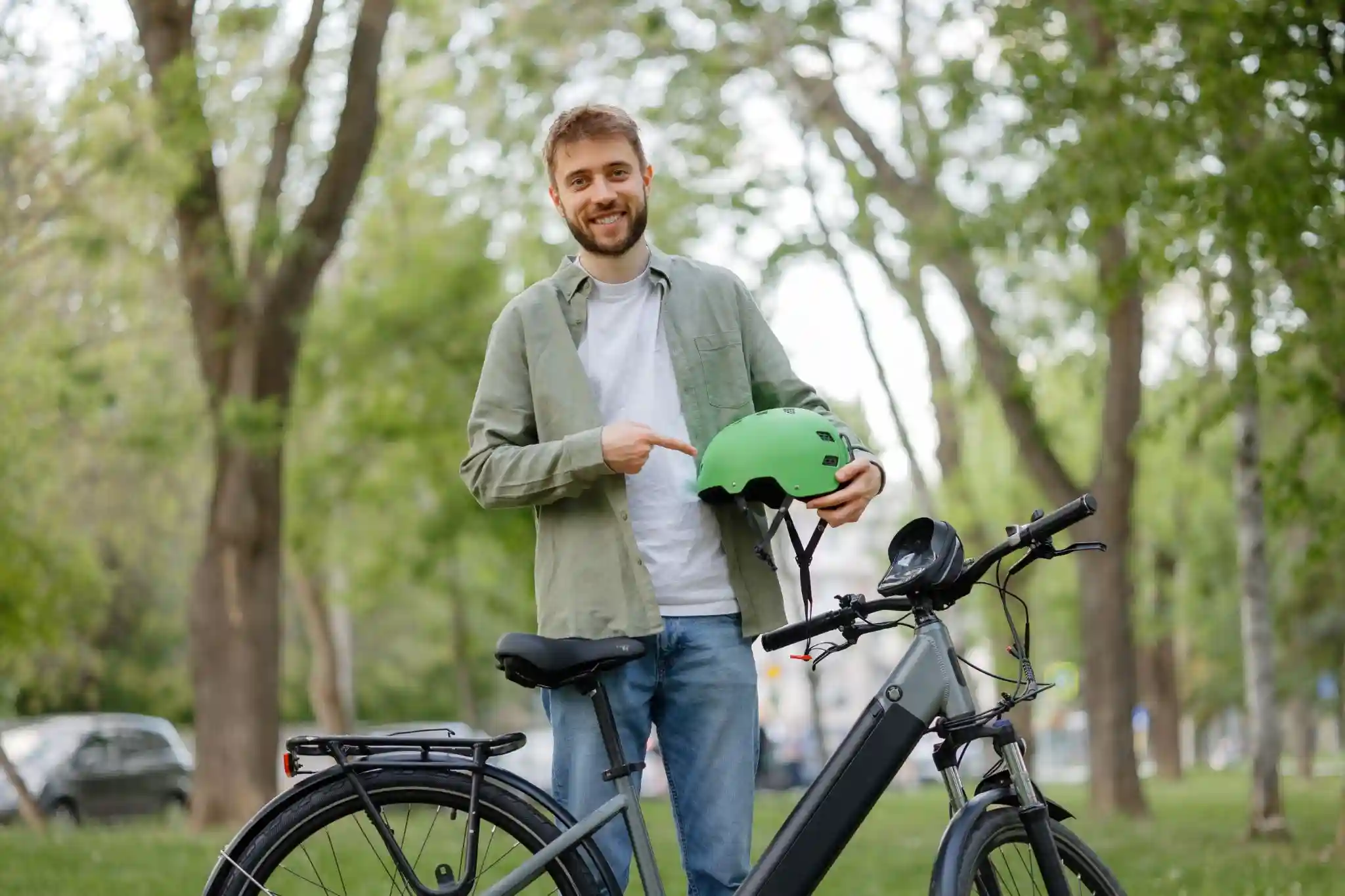
Most e-bikes do not come fully equipped for daily use. Riders often need helmets, locks, lights, and protective gear. These accessories are not optional in practice because they directly affect safety and security.
Setup, Assembly, and First-Time Servicing
Some electric bikes require professional assembly or initial tuning. First-time servicing may also be recommended to ensure the battery, brakes, and motor are functioning correctly. These early costs are often missed in budget planning.
Battery Replacement and Maintenance Costs
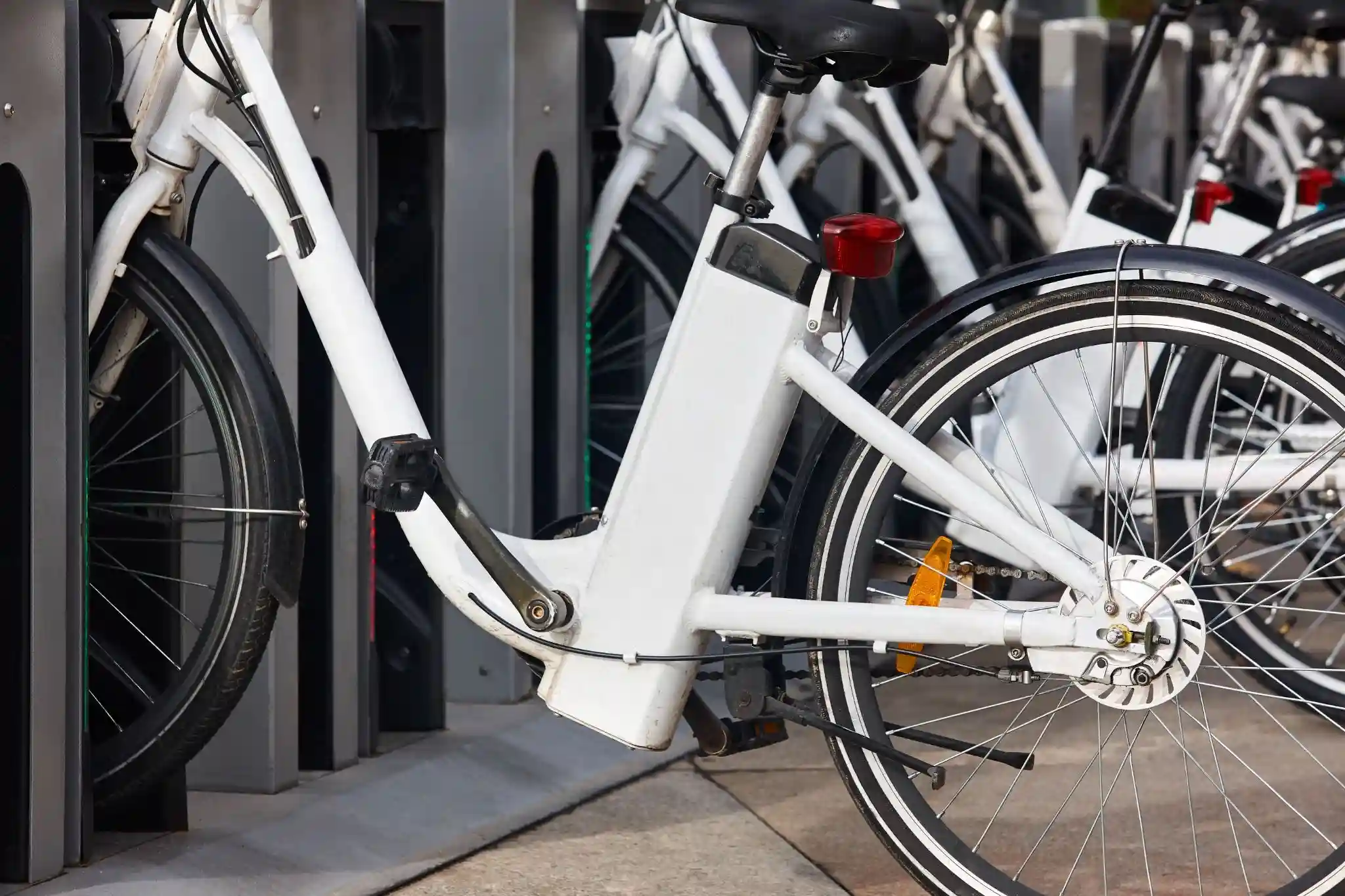
The battery is the most important and expensive component of an electric bike. It also has a limited lifespan, usually between 2 to 5 years depending on usage and care.
Over time, battery performance decreases, leading to reduced range and efficiency. Eventually, replacement becomes necessary, and this can represent a significant portion of electric bike ownership costs.
Proper charging habits can extend battery life. Avoiding full discharge, preventing overcharging, and storing the battery in moderate temperatures can help delay replacement expenses. However, no battery lasts forever, and replacement is an unavoidable long-term cost.
Charging Expenses and Electricity Consumption
Charging an electric bike is cheaper than fueling a vehicle, but it still adds to monthly expenses.
Home Charging vs Public Charging Costs
Most users charge at home, which is generally more affordable. However, some cities offer public charging stations that may charge per session or per unit of electricity. Over time, frequent public charging can increase overall costs.
Impact of Usage Frequency on Electricity Bills
The more you ride, the more you charge. Daily commuters will see a noticeable increase in electricity usage. While the cost per charge is low, consistent usage creates a steady monthly expense.
Charging Infrastructure Upgrades at Home
Some users may need to upgrade home electrical systems or install dedicated charging points. These upgrades can add to initial setup costs, especially in older homes.
Repair and Spare Parts Expenses Over Time
Electric bikes have more complex systems compared to traditional bicycles. This means more components that can require repair or replacement over time.
Motors, controllers, sensors, and wiring systems are more expensive to repair than standard mechanical parts. Additionally, branded parts often cost more than generic alternatives, and using non-original parts may affect performance or warranty coverage.
Labor costs also matter. Specialized technicians are often required, which increases service expenses compared to regular bike maintenance.
Tire, Brake, and Wear-and-Tear Costs
Like all bikes, electric bikes experience wear and tear, but the added weight and speed can increase component stress.
Frequent Replacement Cycles for High-Use Riders
Brakes and tires may wear out faster due to higher speeds and heavier loads. Daily commuters often need more frequent replacements compared to casual riders.
Performance vs Budget Component Choices
High-quality parts last longer but cost more upfront. Budget components reduce initial expenses but may increase long-term maintenance frequency.
Seasonal Impact on Maintenance Needs
Weather conditions also affect wear. Rain, heat, and rough roads can increase maintenance frequency and reduce component lifespan.
Insurance and Legal Compliance Costs
In some regions, electric bikes require insurance coverage or registration depending on their speed and motor power. Insurance protects against theft, accidents, and damage.
Even when not legally required, many riders choose coverage for financial protection. Compliance costs also include licensing or documentation in certain areas, which adds to overall ownership expenses.
Failure to meet legal requirements can result in penalties, making compliance an important hidden cost factor.
Software, Technology, and Smart Feature Costs
Modern electric bikes often come with smart features such as GPS tracking, mobile apps, and performance monitoring systems.
App Subscriptions and Connected Services
Some advanced features require subscription-based services. These may include navigation, ride tracking, or theft protection systems.
Firmware Updates and Diagnostic Tools
Manufacturers may release software updates to improve performance. While often free, some diagnostic tools or premium updates may come at a cost.
Anti-Theft Tracking System Charges
GPS tracking or anti-theft systems may require activation fees or ongoing subscriptions, adding to long-term ownership costs.
Storage, Security, and Parking Expenses
Storing an electric bike safely is important due to its value. Indoor storage is preferred, but not always available.
Urban riders may need paid parking spaces or secure storage facilities. In some cases, home modifications such as installing locks, stands, or covered storage areas are necessary.
Security systems like cameras or advanced locks are also common investments to reduce theft risk. These indirect costs are often overlooked when calculating electric bike ownership costs.
Depreciation and Resale Value Loss
Electric bikes depreciate faster than traditional bicycles in many cases due to rapid technological upgrades. Battery health, brand reputation, and usage condition all affect resale value.
As new models enter the market, older versions lose value quickly. This depreciation is an important financial factor, especially for buyers who plan to upgrade frequently.
Unexpected Costs and Emergency Repairs
Unexpected events can significantly increase ownership expenses. Accidents, electrical failures, or water damage can require costly repairs.
Weather exposure, especially heavy rain or flooding, can damage electrical components. Emergency roadside assistance or towing services may also add to unexpected costs, especially in urban areas.
Cost Comparison: Electric Bikes vs Traditional Bikes
Electric bikes are cheaper to operate than cars or motorcycles in many cases, but they are more expensive than traditional bicycles.
While traditional bikes have minimal maintenance costs, electric bikes require battery care, charging, and electronic repairs. Over time, savings in fuel are balanced against higher maintenance expenses.
The overall value depends on usage. Frequent commuters benefit more from e-bikes, while casual riders may find traditional bikes more cost-effective.
Smart Ways to Reduce Electric Bike Ownership Costs
There are practical ways to reduce long-term expenses. Regular maintenance helps prevent major repairs. Proper battery care significantly extends lifespan and delays replacement costs.
Efficient riding habits also matter. Avoiding unnecessary high-speed usage reduces wear on components. Choosing a reliable model with a strong warranty can also reduce unexpected expenses.
Planning ahead is the best way to control electric bike ownership costs and maximize long-term value.
FAQs
1. What are the biggest electric bike ownership costs?
The biggest costs are usually battery replacement, repairs, charging, and long-term maintenance of electrical components and tires.
2. How long does an electric bike battery last?
Most e-bike batteries last between 2 to 5 years depending on usage, charging habits, and environmental conditions.
3. Is charging an electric bike expensive?
No, charging is generally inexpensive, but frequent use can still add a small monthly electricity cost over time.
4. Do electric bikes require insurance?
In some regions yes, especially for high-speed models. Even when optional, insurance is recommended for theft and accident protection.
5. Are electric bikes cheaper than cars in the long run?
Yes, electric bikes are usually cheaper than cars, but they still have hidden maintenance and battery costs that must be considered.