The popularity of electric bikes, or e-bikes, has surged in recent years, making them a common sight on roads and trails. They offer a convenient and eco-friendly alternative to traditional bicycles and motor vehicles. However, as you consider purchasing an e-bike, understanding the factors that influence electric bike costs is essential for making a smart investment. This guide will highlight key elements that affect e-bike prices, addressing common mistakes and sharing insights from experienced riders.
Key Factors Influencing Electric Bike Costs
Components Quality
The quality of components is perhaps the most significant factor influencing the overall cost of an electric bike. E-bikes consist of several critical parts, including the frame, battery, motor, and brakes.
Frame Materials
The material used for the frame plays a vital role in determining both the weight and durability of the bike. Aluminum frames are common due to their affordability and lightweight properties. However, higher-end models may use carbon fiber, which is lighter and stronger but significantly increases the price. Riders who frequently tackle rough terrain might lean towards models with robust frames designed to withstand impacts, which can also raise costs.
Battery Quality
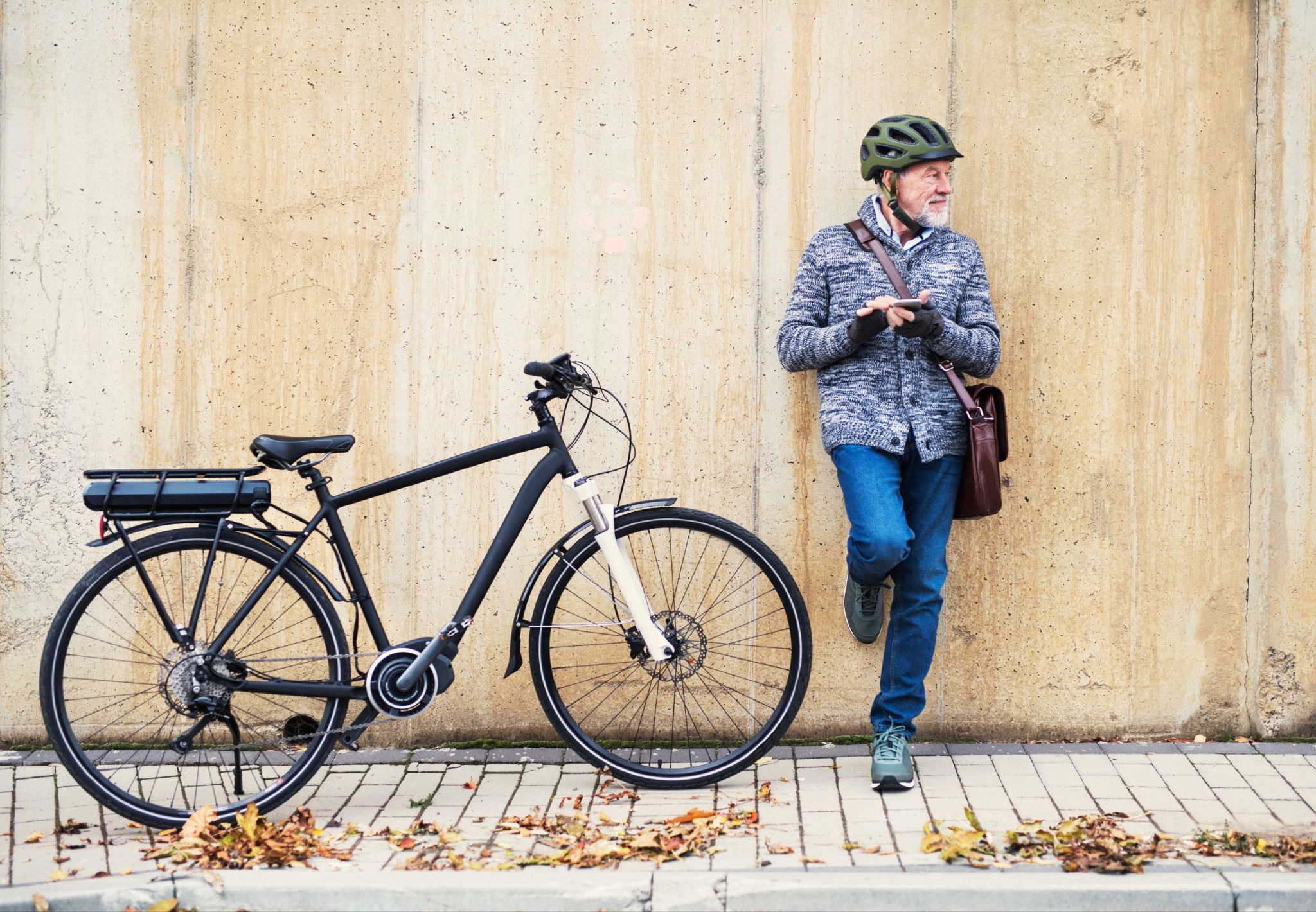
The battery is another pivotal component that influences both the price and performance of an e-bike. Quality lithium-ion batteries, while more expensive, provide better range, faster charging times, and longer lifespans compared to cheaper alternatives. The capacity of the battery, measured in amp-hours (Ah), also affects the cost; higher capacity batteries allow for longer rides but come at a premium.
Motor Types
The type of motor affects the performance and price of the bike. Hub motors, located in the wheels, are generally more affordable and easier to maintain. However, mid-drive motors, which are situated at the bike’s cranks, offer better weight distribution and performance, particularly on inclines. This added functionality typically comes with a higher price tag, making it essential for buyers to weigh their riding style against the cost.
Brand Reputation
Brand reputation plays a significant role in the pricing of electric bikes. Established brands often command higher prices because they have built a reputation for quality, reliability, and customer service over time.
Quality Assurance
Reputable brands usually invest in research and development, resulting in better-designed products. They often use higher-quality components and offer more robust warranties, which can justify the higher cost. Buyers can feel more confident purchasing from a brand known for its performance and customer satisfaction.
Customer Support
A good brand typically provides better customer support and service options. This includes easier access to spare parts, more knowledgeable customer service representatives, and clearer warranty terms. In the long run, this can save buyers time and money, making a slightly higher upfront cost worthwhile.
Market Positioning
Premium brands often target serious cyclists or enthusiasts and price their products accordingly. Conversely, budget brands may cater to casual riders or those new to e-bikes, resulting in lower prices. Understanding the brand’s market positioning can help buyers determine whether the cost aligns with their needs.
Technology Features
Modern electric bikes come equipped with various technological advancements that can significantly affect their price.
Pedal Assist vs. Throttle Control
E-bikes typically offer either pedal assist or throttle control. Pedal assist systems amplify the rider’s pedaling power, while throttle control allows the rider to accelerate without pedaling. Bikes with advanced pedal assist systems, which can adjust automatically based on terrain, tend to be more expensive due to their complexity.
Smart Technology
Many e-bikes now incorporate smart technology, including smartphone connectivity, GPS navigation, and integrated lights. While these features enhance convenience and safety, they also contribute to the overall cost. Buyers should consider which features are essential for their riding experience.
Display Options
The display on an e-bike provides crucial information such as speed, battery level, and distance traveled. Higher-end models may feature full-color displays with more detailed analytics, while budget options might have simpler LED displays. Choosing the right display can impact both usability and cost.
Intended Use and Design
The intended use of the e-bike significantly influences its design and, consequently, its cost. Various types of e-bikes cater to different riding styles, which can lead to price variations.
Type of E-Bike
Commuter E-Bikes
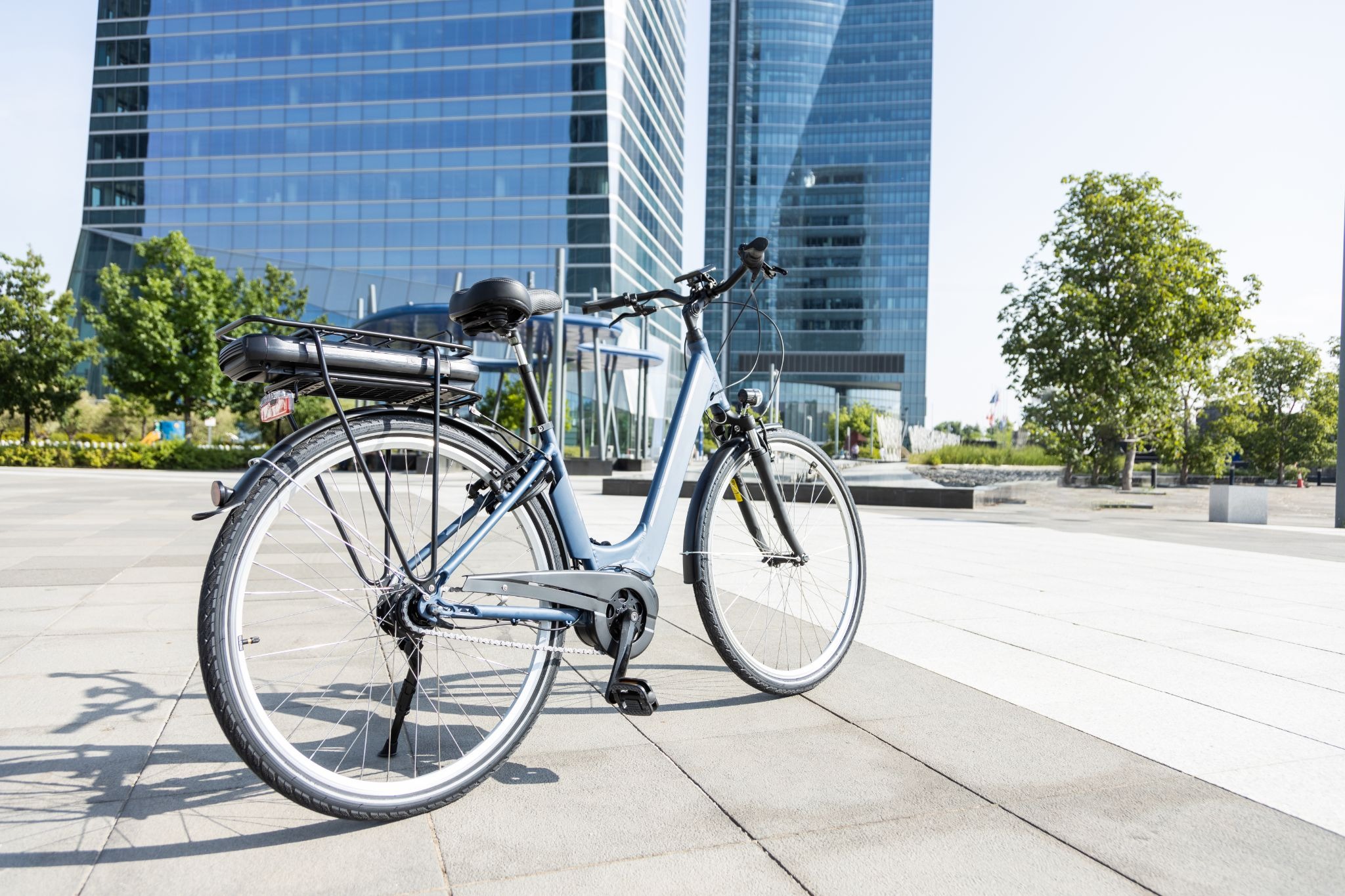
Designed for urban riding, commuter e-bikes prioritize comfort and practicality. They often feature a relaxed geometry, fenders, and integrated lights. While they tend to be more affordable, the additional accessories can raise prices.
Mountain E-Bikes
Built to handle rough terrain, mountain e-bikes usually come equipped with sturdier frames, advanced suspension systems, and mountain-specific tires. These specialized components increase manufacturing costs, making them generally more expensive than commuter models.
Folding E-Bikes
Ideal for those with limited storage, folding e-bikes are designed for portability. They often feature compact designs and lighter materials, but the engineering required for folding mechanisms can increase costs. Buyers should assess whether the convenience of a folding bike justifies the extra expense.
Customization Options
Many riders opt to customize their e-bikes to enhance comfort or performance.
Aftermarket Modifications
Customizations like upgraded tires, better suspension, or enhanced lighting can add to the bike’s overall cost. While these modifications can improve performance, buyers need to consider how they impact the bike’s warranty and potential resale value.
Accessories
Riders often purchase additional accessories such as racks, bags, or specialized helmets. While these items may seem small, they can add up quickly, affecting the overall budget. It’s essential to factor in these costs when planning a purchase.
Market Trends and Economic Factors
Market trends and economic conditions can have a significant impact on electric bike prices.
Supply Chain Influences
Material Shortages
Global supply chain issues, such as shortages of key materials or components, can lead to increased production costs. Manufacturers often pass these costs onto consumers, resulting in higher prices for e-bikes.
Tariffs and Import Duties
E-bikes often contain components sourced from different countries. Tariffs on imported parts can drive up prices, especially for brands that rely heavily on overseas manufacturing. Buyers should be aware of these factors when considering their options.
Seasonal Pricing Trends
Price Fluctuations
E-bike prices can fluctuate throughout the year, often correlating with seasonal demand. Retailers may offer discounts during the off-season, such as winter months, or during major sales events like Black Friday, making it a favorable time for purchasing.
Holiday Sales
Major holidays often prompt retailers to offer sales on e-bikes. Keeping an eye on these sales can help buyers secure a better deal rather than purchasing at full price.
Common Mistakes After the Beginner Stage
As riders gain more experience, they may fall into common traps regarding e-bike ownership.
Underestimating Total Cost of Ownership
Ongoing Expenses
Many new e-bike owners focus solely on the purchase price and overlook ongoing costs such as maintenance, insurance, and accessories. These expenses can accumulate, and riders should budget accordingly to ensure they can afford their e-bike long-term.
Maintenance Needs
Regular maintenance is crucial for keeping an e-bike in good working condition. This can include brake adjustments, battery care, and tire replacements. Ignoring these needs can lead to larger expenses down the line.
Ignoring Local Regulations
Understanding Local Laws
Different regions have unique regulations regarding e-bike specifications, including maximum speeds and where they can be ridden. Failing to comply with these regulations could lead to fines or the need for modifications, increasing costs unexpectedly.
Researching Requirements
Before purchasing an e-bike, it’s essential to research local laws to ensure the chosen model meets all requirements. This can prevent headaches and additional expenses later.
Experience-Based Insights
Gaining insights from experienced e-bike riders can provide valuable information about real-world performance versus specifications.
Real-World Performance vs. Specifications
Test Riding
While specifications can provide a general idea of what to expect, the actual riding experience can differ significantly. Many experienced riders recommend test-riding several models to assess comfort, handling, and performance in various conditions.
Practical Feedback
Engaging with experienced riders can also provide practical feedback on how different bikes perform in real-world situations. Factors such as ride quality, battery life, and ease of use can be better understood through personal experiences.
Community Recommendations
Joining Local Groups
Connecting with local e-bike communities can offer valuable insights. These groups often share recommendations and reviews based on personal experiences, guiding buyers toward brands and models that fit their needs.
Conclusion
Understanding the factors that affect electric bike costs is crucial for making an informed decision when purchasing an e-bike. By considering component quality, brand reputation, intended use, and market trends, you can better navigate the various options available. Avoiding common mistakes and seeking insights from experienced riders can further enhance your buying experience. Ultimately, investing in a quality electric bike tailored to your needs will provide countless hours of enjoyment and convenience.
FAQs
1. What are the main factors affecting electric bike costs?
Key factors include component quality, brand reputation, intended use, and technology features, all of which influence the overall price of electric bikes.
2. How does the battery type impact e-bike pricing?
Higher-quality batteries, such as lithium-ion, offer better performance and longevity, which can lead to increased costs compared to standard batteries.
3. Are there seasonal trends in electric bike pricing?
Yes, e-bike prices often fluctuate with the seasons, with discounts commonly available during the off-season or holiday sales.