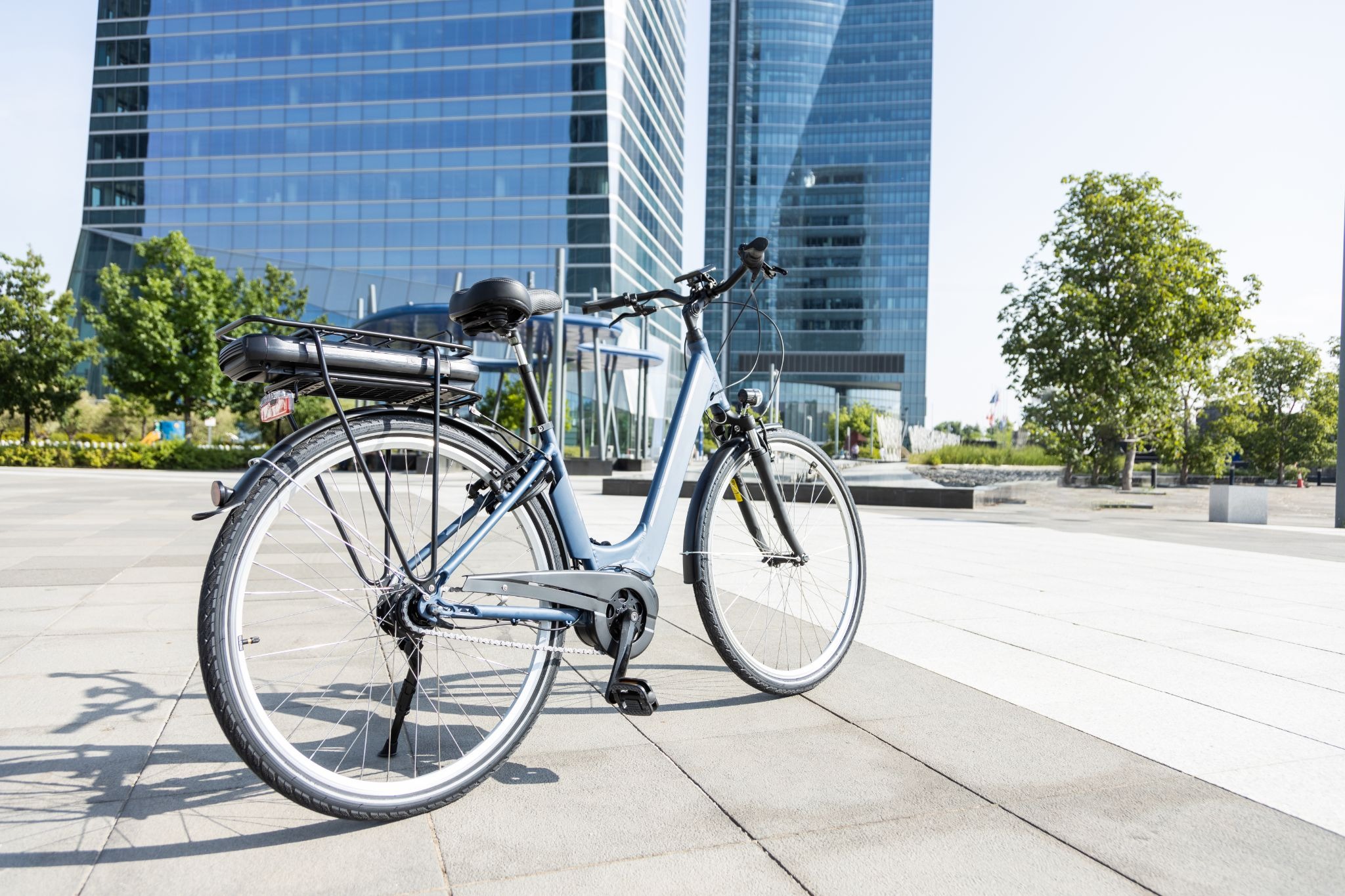
Electric bikes are no longer a niche product. They are everywhere. From busy city streets to quiet countryside roads, more people are switching to e-bikes for convenience and comfort. But once you start shopping, one question quickly stands out: What is a fair quality electric bike price? The truth is, prices vary widely. Understanding how pricing works helps you avoid wasting money. It also helps you buy a bike that lasts. In this guide, we will break down what really influences cost and how much you should spend based on your needs.
Core Factors That Drive Electric Bike Costs
Battery and Motor Quality
The battery is the heart of any electric bike. It is also one of the most expensive components. A high-capacity lithium-ion battery with a longer range will push the price up. A smaller battery with a limited range will lower the cost. Motor type also matters. Hub-drive motors are usually more affordable. Mid-drive motors, often found on premium bikes, provide smoother power and better climbing ability. They cost more because they offer better balance and performance. When comparing bikes, always check wattage, torque, and estimated range. These numbers tell you a lot about value. A slightly higher quality electric bike price may be worth it if the battery and motor are built to last.
Frame and Build Materials
Frame material affects both durability and cost. Most mid-range bikes use aluminum. It is lightweight and resistant to rust. Steel is heavier but sometimes cheaper. Carbon fiber is very light and strong, but it increases the price significantly. The quality of welding and overall construction also matters. A well-built frame feels solid and stable. It handles better at higher speeds. These details may not be obvious at first glance, but they impact long-term comfort and safety. Spending a bit more for a durable frame is usually wise. It forms the foundation of your riding experience. If the frame is strong, the bike will likely serve you for many years.
Smart Features and Electronics
Modern e-bikes come with digital displays, multiple assist modes, and even smartphone connectivity. Some models include built-in lights, GPS tracking, and advanced sensors. These features add convenience but also increase the price. A simple display with basic speed and battery information keeps costs down. A full-color display with detailed ride data and app integration pushes the quality electric bike price higher. It depends on what matters to you. If you enjoy tracking your rides and customizing settings, advanced electronics may be worth it. If you only need basic assistance, you can save money by choosing a simpler setup.
Price Ranges Explained: What to Expect at Every Tier
Electric bikes usually fall into three broad categories. Entry-level models often range from around $800 to $1,500. Mid-range bikes commonly sit between $1,500 and $3,000. Premium models can go beyond $3,000 and even reach $6,000 or more. At the lower end, you get basic components and a moderate battery range. Mid-range bikes offer better motors, improved braking systems, and longer-lasting batteries. High-end bikes include advanced suspension, powerful mid-drive motors, and premium finishes. Knowing these ranges helps set realistic expectations. The quality electric bike price should match your riding style. Spending more only makes sense if you will use the added features regularly.
Entry-Level E-Bikes: Affordable but Functional
Entry-level e-bikes are attractive because they make electric cycling accessible. They are often ideal for short commutes and casual weekend rides. If your daily distance is small, these bikes can do the job well. However, lower prices may mean smaller batteries and simpler braking systems. You may notice less smooth acceleration. Over time, cheaper components might wear out faster. That does not mean entry-level bikes are bad. It simply means you should match your expectations to the price. If you ride occasionally and on flat roads, an affordable quality electric bike price can be enough.
Mid-Range Quality E-Bikes: Sweet Spot for Most Riders
Mid-range bikes are often considered the best balance between cost and performance. They usually include better motors, improved battery capacity, and stronger frames. For many riders, this range feels just right. These bikes handle daily commuting with ease. They also support longer weekend rides. The ride quality feels smoother, and braking systems are more reliable. For most people, spending in the mid-range offers long-term satisfaction. You get durability without stepping into luxury pricing. This tier often delivers the best value overall.
What Mid-Range Includes That Entry-Level Doesn’t
Mid-range e-bikes typically feature hydraulic disc brakes instead of mechanical ones. This improves stopping power and safety. They may also include suspension forks for added comfort. Battery capacity is usually higher, which extends the range. You can travel farther without worrying about frequent charging. Warranty coverage is also often better in this category. These upgrades explain why the quality electric bike price is higher here. But the extra comfort and reliability can make daily riding far more enjoyable.
Premium and High-End Electric Bikes
Premium electric bikes are built for performance and comfort. They often include powerful mid-drive motors from brands like Trek Bicycle Corporation and Specialized Bicycle Components. The engineering behind these systems increases both efficiency and cost. High-end models may also use advanced suspension systems similar to those found in mountain bikes. These bikes are designed for demanding riders. If you ride daily, tackle steep hills, or enjoy off-road adventures, a premium model may be worth the investment. The higher-quality electric bike price reflects advanced performance and long-term durability.
How Much You Should Spend Based on Your Riding Goals
Commuters
If you use your bike for daily commuting, reliability matters most. You need consistent performance and a decent range. A mid-range bike is often the safest choice. Expect to spend between $1,500 and $2,500 for a solid commuter model. This ensures better brakes, a dependable battery, and comfortable geometry. Over time, this investment pays off through fewer repairs. Cutting corners on a commuter bike can lead to frustration. Daily riders benefit from spending a bit more upfront for peace of mind.
Off-Road and Trail Riders
Trail riding demands more from an electric bike. You need strong suspension, durable tires, and higher torque. These features increase the quality of the electric bike price. Off-road models often start around $2,500 and can climb much higher. The terrain is rough, and cheaper components may fail quickly. Paying more means better stability and control. If adventure is your goal, invest accordingly. A strong frame and powerful motor make a noticeable difference on steep climbs and rocky paths.
Long-Distance and Touring Riders
For long-distance riding, battery capacity becomes critical. You need extended range and efficient power delivery. Comfort also matters during hours in the saddle. Touring-focused e-bikes usually sit in the mid to high range. Spending between $2,000 and $3,500 can secure a reliable, long-range model. This range supports consistent performance. Trying to tour on a very cheap e-bike may limit your experience. A higher-quality electric bike price often ensures fewer charging stops and smoother journeys.
Hidden and Ongoing Costs of Owning an Electric Bike
The purchase price is not the only expense. Batteries may need replacement after several years. A new battery can cost a few hundred dollars or more, depending on the model. Maintenance is another factor. Brake pads, chains, and tires wear out. Electric components may also require occasional servicing. These costs should be part of your planning. Accessories such as helmets, locks, and lights add to the total investment. When calculating the real quality electric bike price, include these extras to avoid surprises.
How to Get the Best Value for Your Budget
Start by comparing specifications, not just price tags. Look at battery capacity, motor type, and braking systems. A slightly more expensive bike with better parts may offer greater value. Test rides are extremely helpful. They reveal comfort and handling differences that specs cannot show. Feeling the ride quality helps justify spending decisions. You can also look for seasonal discounts or previous-year models. Many retailers reduce prices when new versions arrive. This strategy allows you to secure a strong bike at a better price.
Conclusion
Choosing the right quality electric bike price is about balance. You need to match your budget with your riding habits. Spending too little can lead to frustration. Spending too much on unused features wastes money. Think about how often you ride, how far you travel, and what terrain you face. Factor in ongoing costs and maintenance. Make your decision based on long-term value, not just the initial price tag. In the end, a well-chosen electric bike feels like freedom. When price and purpose align, you enjoy every ride with confidence.