Most people don’t think twice about their morning commute. You get in the car, sit in traffic, and arrive at work. It feels routine. But that daily drive is quietly stacking up a personal carbon tab that adds up to thousands of kilograms of CO₂ every year. Transport is one of the biggest sources of greenhouse gas emissions globally, and urban commuting sits right at the heart of that problem.
The Carbon Cost of Conventional Commuting
Personal vehicles are the single biggest source of transport emissions in most cities. The average petrol car produces around 170 grams of CO₂ per kilometre. When you multiply that across a typical 10-mile round-trip commute, five days a week, you’re looking at roughly 1,400 kg of CO₂ per year from one person’s daily drive alone. That’s not a small number. It’s roughly the same as a return flight from London to New York.
How Cycling Directly Reduces Commuting Emissions
Lifecycle Emissions of a Bicycle vs. a Car
When comparing a bicycle to a car, the lifecycle emissions gap is enormous. Manufacturing a bicycle produces roughly 96 kg of CO₂ in total. A typical family car sits somewhere between 6,000 and 35,000 kg, depending on the model, before it even leaves the factory floor. Even an electric vehicle, despite having no tailpipe emissions, still carries a significant carbon debt from battery production. A bicycle is one of the most energy-efficient objects humans have ever built.
The Emissions Math on a Typical Commute
Take a standard 5-mile daily commute. If you replace that car trip with a bike ride, you could save around 1,200 to 1,500 kg of CO₂ per year. Scale that across a company of 500 employees who each make the switch just two days a week, and you’re eliminating hundreds of tonnes of carbon from the atmosphere annually. That’s the kind of shift that starts to matter at a city level.
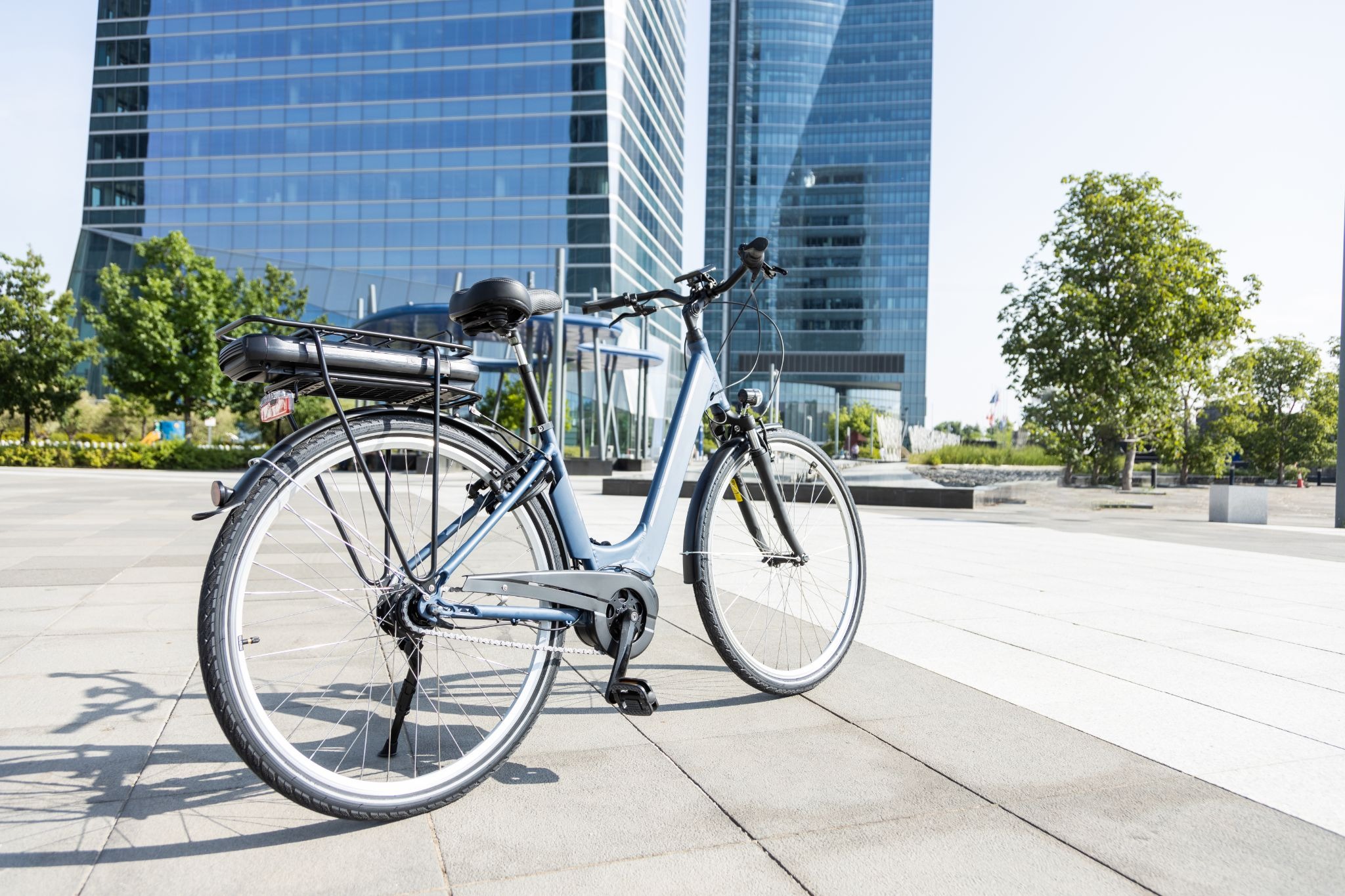
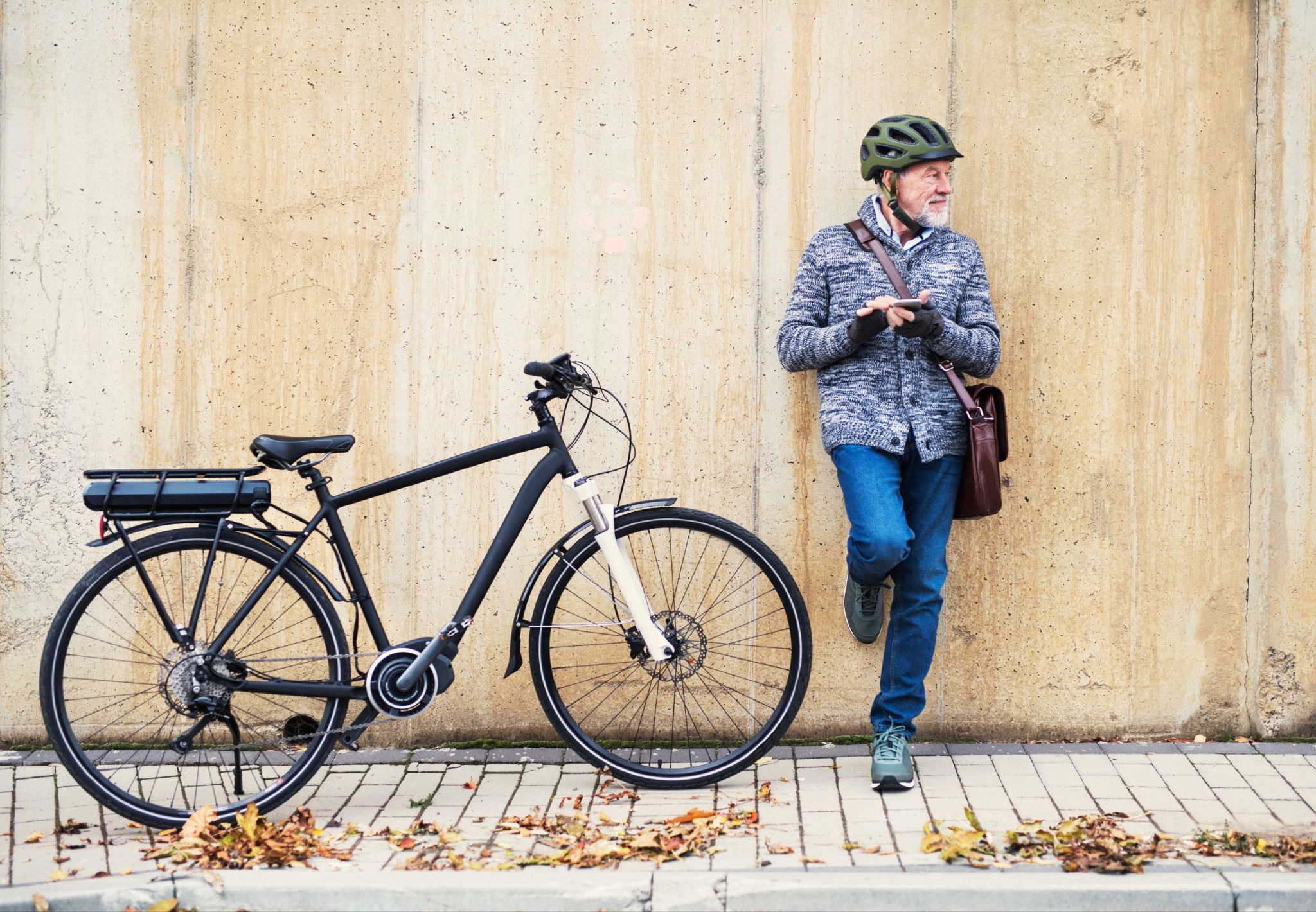
E-bikes deserve a mention here, too. Some people assume that because e-bikes have batteries, they cancel out the benefits of cycling. For anyone put off by hills, distance, or arriving at work sweaty, an e-bike is a genuinely practical way to reduce commuting emissions without giving up the benefits of active travel.
The Role of Walking in Cutting Urban Emissions
Walking is the only truly zero-emission commute. There’s no manufacturing carbon debt, no battery, no fuel. Just human movement. It’s not practical for everyone’s full commute, but for trips under a mile or two, walking replaces car journeys that are among the most emissions-intensive per kilometre. A lot of people don’t realize how many of their daily trips fall into that short-trip category. Dropping kids at school, grabbing lunch, and heading to a nearby meeting, these are all chances to replace car emissions with nothing at all. There’s also a broader connection between walking and urban design. Neighbourhoods built around walkability tend to generate less car dependency overall. When homes, shops, offices, and schools are close together, people naturally drive less.
Beyond Direct Emissions: The Wider Environmental Multiplier
Reduced Road Congestion and Its Emission Effects
One of the less obvious ways that cycling and walking help is by taking cars off the road entirely. Fewer cars mean less congestion, and less congestion means less idling. Traffic jams are a major source of urban air pollution. A car sitting still in traffic burns fuel and produces emissions without moving an inch.
Less Demand for Parking and Road Infrastructure
Every car needs somewhere to park. Surface parking lots cover enormous amounts of urban land and contribute to the heat island effect by absorbing and radiating heat. Cities that reduce car dependency can repurpose that land for green spaces, trees, and permeable surfaces that actively cool the urban environment. Road maintenance also carries a carbon cost. Fewer heavy vehicles mean slower road wear, which means less frequent resurfacing, which means fewer emissions from construction machinery and asphalt production.
Practical Barriers to Active Commuting and How to Overcome Them
Distance and Terrain Challenges
The most common reason people give for not cycling to work is distance. And it’s a fair point. A 15-mile commute is not realistic for most people on a standard bike every single day. But e-bikes extend practical cycling distance to 15 miles or more without much physical effort. For longer commutes, combining cycling or walking with public transit works well. Cycling to a train station and locking up your bike is a well-established pattern in the Netherlands and Japan, and it works.
Safety, Infrastructure, and Weather
Safety is a real barrier, and it shouldn’t be dismissed. Protected bike lanes make a huge difference to cycling uptake. Research consistently shows that when cities build physically separated cycling infrastructure, more people cycle, including women, older adults, and families, not just young fit men. If your city lacks good infrastructure, route planning apps like Komoot or Cycle. Travel can help you find quieter roads. For weather, good gear solves most problems.
Policy, Urban Planning, and the Systemic Shift
Individual choices matter, but they work best when the environment around them supports change. The Netherlands didn’t become the world’s cycling capital by accident. Decades of consistent investment in infrastructure, traffic calming, and urban design made cycling the obvious choice for millions of people. Paris dramatically expanded its bike lane network after 2020, and cycling rates in the city have since doubled. Bogotá’s Ciclovía program closes major roads to cars every Sunday, giving millions of residents a weekly experience of car-free streets.
How to Start Replacing Your Commute with Cycling or Walking
You don’t need to overhaul your entire routine at once. The most effective approach is to start small. Try replacing your car commute with cycling or walking just one or two days a week. Pick a day when the weather looks reasonable, plan your route using a cycling or walking app, and give yourself a little extra time so the journey doesn’t feel rushed. Small changes stick better than big, dramatic ones.
Tracking your progress helps keep you motivated. Apps like Strava log your rides and walks, and tools like MyClimate can estimate the carbon savings from each trip. Seeing your personal emissions reduction add up week by week makes the impact feel real rather than abstract. Local cycling groups are another great resource. Riding with others is safer, more enjoyable, and a good way to discover better routes. The barriers to active commuting are all real, but they’re all solvable.
Conclusion
Cycling and walking are two of the most direct, accessible actions any person can take to reduce commuting emissions. The numbers back it up, the technology is there, and the benefits stretch well beyond carbon savings to include better health, less traffic, and more livable streets. Systemic change through infrastructure and policy is still needed to make active travel a realistic option for more people, but the momentum is clearly building. Cities are adding bike lanes. E-bikes are getting cheaper. Employers are starting to pay attention. Calculate your own commute’s carbon footprint, pick one day next week, and see what it feels like to leave the car behind.
Frequently Asked Questions
Q1. How much can cycling reduce commuting emissions compared to driving a regular petrol car each day?
Cycling produces around 21g of CO₂ per kilometer versus 170g for a petrol car. Switching your daily commute to cycling can cut your personal transport emissions by over 1,200 kg per year.
Q2. Are e-bikes genuinely effective at helping people reduce commuting emissions on longer routes?
Yes. E-bikes emit roughly 22 to 28g of CO₂ per kilometer, far below any car. They extend your practical cycling range to 15 miles or more, making them a strong option for longer or hillier commutes.
Q3. Does walking actually help reduce commuting emissions, or is it only useful for very short trips?
Walking produces zero direct emissions and has the biggest impact on short trips under two miles. These are also the least fuel-efficient trips for cars, so replacing them with walking delivers an outsized emissions benefit.