City life moves fast. Every morning, millions of people step out of their homes and join the rush toward offices, schools, and business hubs. Roads fill up quickly, public transport gets crowded, and the air grows heavier with exhaust fumes. Over time, this daily routine takes a toll on our health, finances, and environment.
Sustainable travel is no longer a niche idea. It has become part of everyday conversations in cities around the world. From cycling lanes to electric buses, modern urban life is slowly shifting toward smarter movement.
Why Urban Mobility Needs a Reset
Many cities were built around private cars. Wide highways and parking lots shaped development for decades. Today, that model feels outdated. Traffic congestion wastes hours each week, and fuel prices continue to rise. At the same time, climate concerns are pushing governments and citizens to rethink daily habits.
Air pollution is another serious issue. Long traffic lines release carbon emissions that affect public health. Asthma and other respiratory conditions are more common in heavily congested areas. Noise pollution also impacts mental well-being, especially in dense neighborhoods.
A reset in urban mobility means moving away from one person per car. It means encouraging systems that serve many people at once. This shift opens the door to practical, sustainable commuting options that balance convenience with responsibility.
Public Transit as the Backbone of Green Travel
Public transport remains one of the strongest pillars of sustainable city living. Buses, trains, and metro systems move thousands of people in a single trip. When more commuters choose shared transport, fewer cars fill the roads. That alone reduces emissions per passenger.
Modern systems are becoming more reliable and easier to use. Digital ticketing and real-time tracking have improved the daily experience. In cities like Transport for London, integrated cards allow seamless travel across buses, trains, and underground lines. This kind of system saves time and reduces stress.
Public transit is also cost-effective for many families. Monthly passes often cost less than fuel, parking, and maintenance for a private car. When cities invest in better infrastructure, residents feel more confident choosing these sustainable commuting options over driving alone.
Smart Metro Systems
Metro networks have evolved in recent years. Stations are cleaner, trains are faster, and safety measures are stronger. In places like the Massachusetts Bay Transportation Authority, digital updates help commuters plan their journeys with greater accuracy.
Smart metro systems also connect residential areas with business districts more efficiently. Shorter waiting times and clearer schedules make public transport a reliable daily choice. As trust grows, more people leave their cars at home.
Electric Bus Networks
Electric buses are becoming common in forward-thinking cities. They operate quietly and produce fewer emissions compared to diesel fleets. A well-known example is Shenzhen, which shifted its entire public bus fleet to electric models.
This transition shows what is possible when city planning aligns with environmental goals. Electric buses improve air quality while maintaining service coverage. For many commuters, they are an easy and accessible part of sustainable commuting options.
Cycling Infrastructure Transforming Cities
Cycling is one of the simplest ways to travel sustainably. It requires no fuel and produces no emissions. In many cities, protected bike lanes have made riding safer and more appealing to a wider audience. Local governments are investing in better road designs. Clear markings, dedicated lanes, and secure parking areas encourage more people to consider bicycles for daily travel. Cycling also improves physical health, which adds another layer of benefit.
For short to medium distances, bikes can be faster than cars during peak hours. They allow riders to avoid traffic jams and reach destinations with less stress. That is why cycling continues to rank high among sustainable commuting options.
Bike Sharing Programs
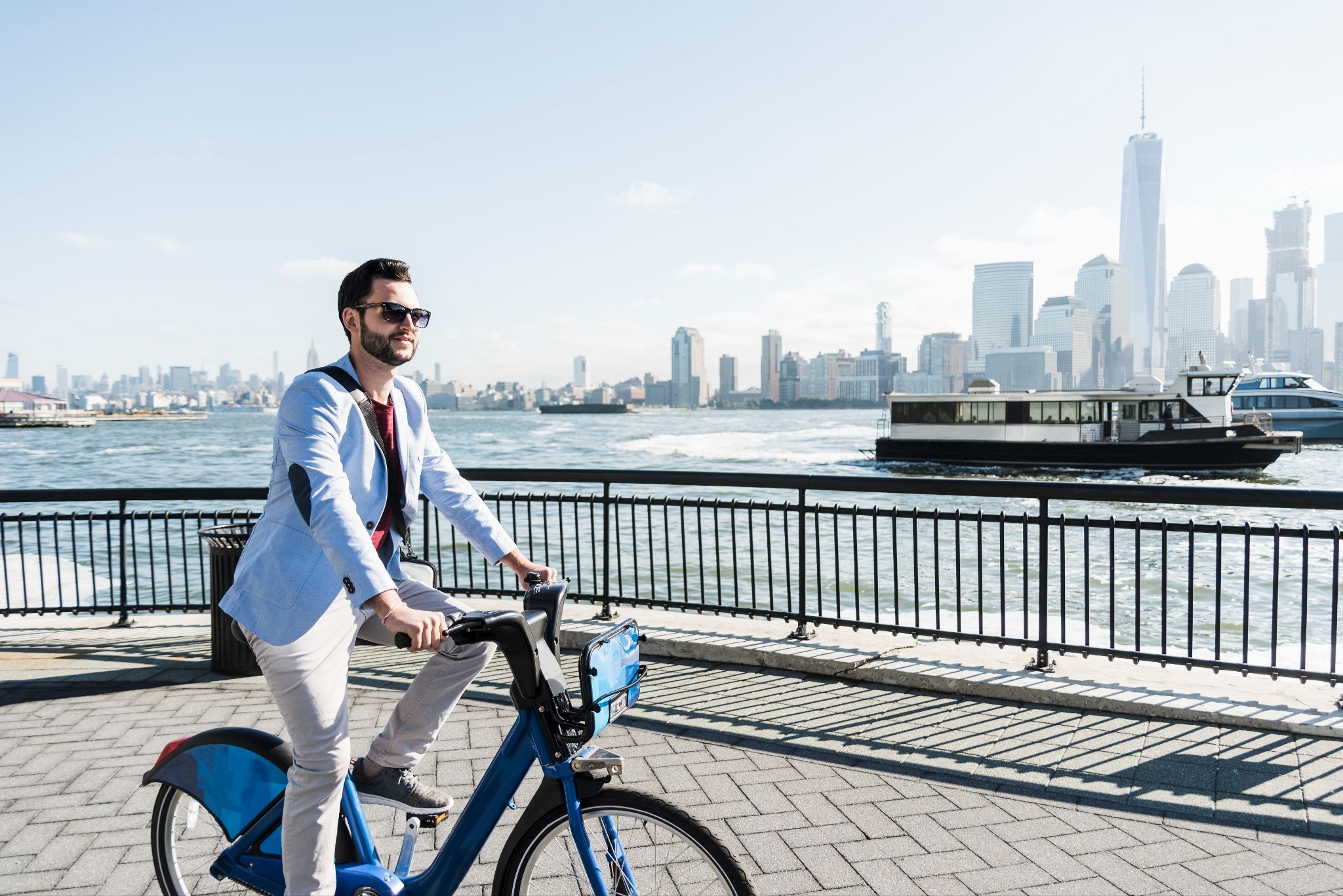
Bike sharing has expanded rapidly in large urban centers. In New York City, Citi Bike offers thousands of bikes at convenient docking stations. Users can rent them through a simple mobile app.
Similarly, London runs Santander Cycles, which allows both residents and tourists to move around the city easily. These systems reduce the need to own a bicycle while keeping the benefits of cycling accessible.
E Bikes for Longer Distances
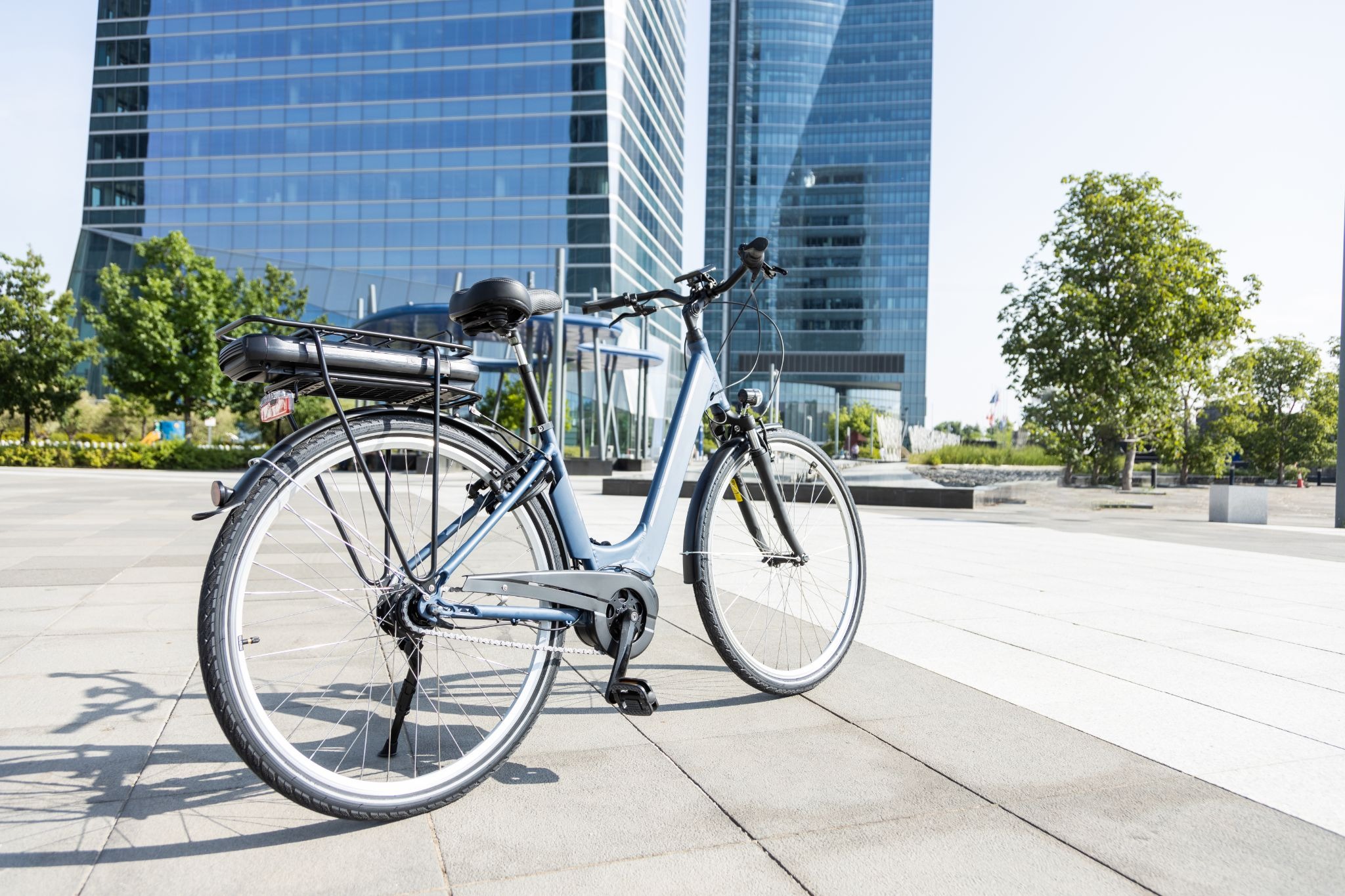
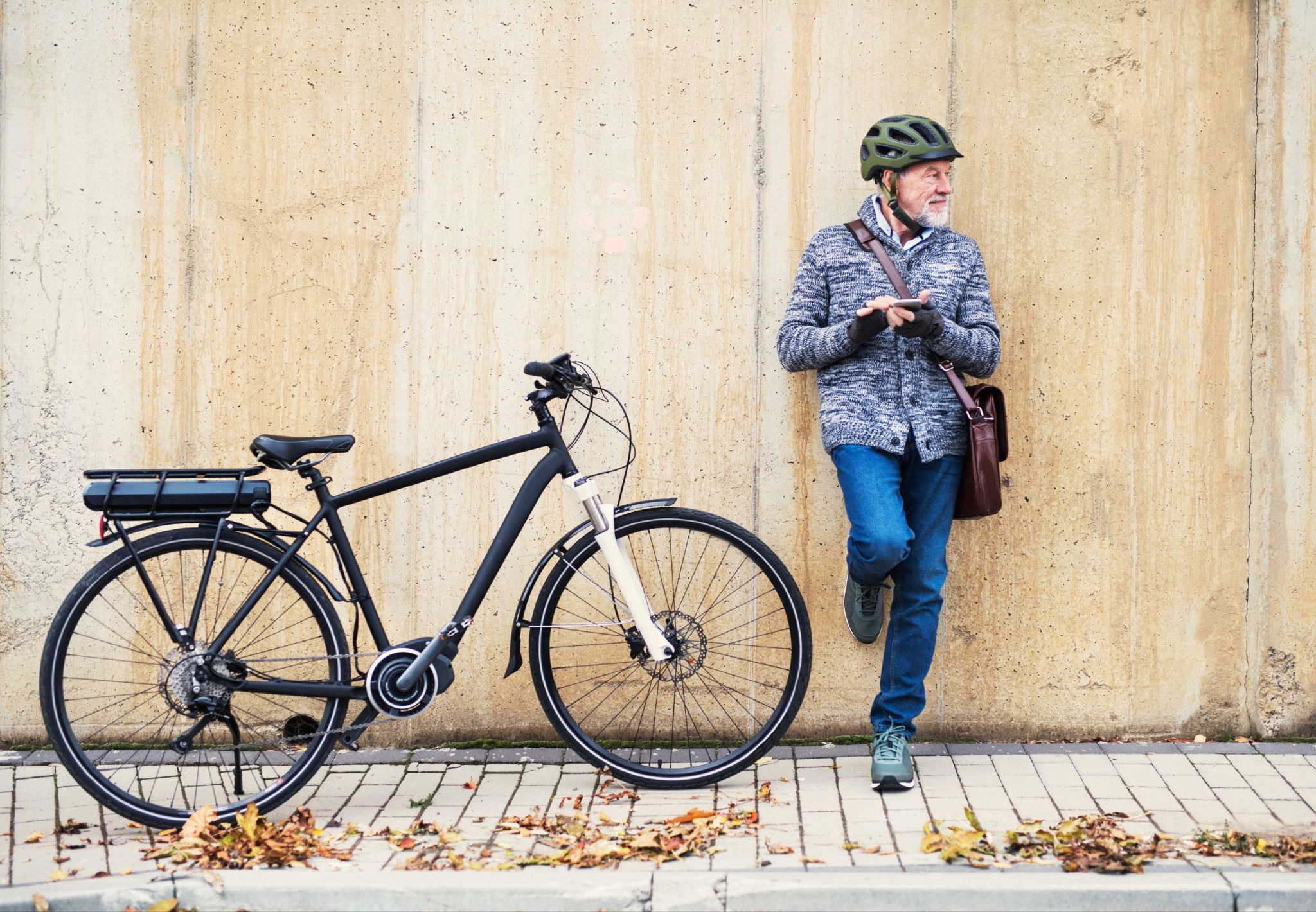
Electric bikes have made cycling possible for more people. They provide pedal assistance, which helps riders tackle hills and longer routes without exhaustion. Brands such as Rad Power Bikes have expanded this market globally.
E-bikes are especially useful for commuters who live slightly farther from their workplaces. They reduce travel time and physical strain. As battery technology improves, they are becoming a practical part of sustainable commuting options.
Walking as a Primary Urban Mode
Walking is often overlooked in conversations about transport. Yet in well-designed neighborhoods, it can serve as a primary mode of travel. Mixed-use developments place homes, shops, and offices within short distances of each other.
Sidewalk quality plays a major role. Wide, clean, and well-lit paths encourage people to walk more often. Green spaces and shaded areas also make walking pleasant even during warmer months.
Choosing to walk reduces carbon emissions entirely. It costs nothing and supports better physical health. For short daily errands or nearby offices, walking remains one of the most reliable sustainable commuting options.
Carpooling and Ride Sharing Solutions
Carpooling reduces the number of vehicles on the road without removing convenience. When two or three colleagues share a ride, fuel use and costs are divided. Traffic congestion also decreases slightly with each shared vehicle. Technology has simplified coordination. Apps now match riders with similar routes and schedules. BlaBlaCar connects drivers and passengers for longer trips, while Uber offers shared ride features in many cities.
Workplace programs also support carpooling. Some companies provide preferred parking spaces or small financial incentives for shared rides. These steps encourage employees to consider sustainable commuting options without sacrificing comfort.
Electric Vehicles and Hybrid Alternatives
For some commuters, public transport or cycling may not be practical. Long distances or limited infrastructure can make private vehicles necessary. In such cases, electric or hybrid cars offer a cleaner alternative. Companies like Tesla and Toyota have led the push toward lower-emission vehicles. Charging stations are becoming more common in urban areas, making daily use easier.
While electric cars still require resources to produce, they emit fewer pollutants during operation. For households that depend on driving, switching to electric models can be part of broader sustainable commuting options.
Micro Mobility Trends in Urban Areas
Short trips within cities often require flexible solutions. Electric scooters and small mobility devices fill this gap. Companies such as Lime and Bird provide app-based rentals in many urban centers.
These devices are useful for last-mile connections. A commuter might take a train to a central station and then use a scooter to reach the final destination. This combination reduces the need for car travel. Micro mobility supports a layered transport system. Each mode handles a specific part of the journey. When used responsibly, these tools strengthen sustainable commuting options across dense cities.
Policy and Urban Planning Support
Government action shapes commuting behavior. Congestion pricing, low-emission zones, and expanded bike lanes influence daily decisions. When cities prioritize clean transport, residents respond.
Urban planning also matters. Designing neighborhoods with access to public transit reduces car dependency. Clear signage and safe infrastructure build confidence in alternative travel modes. Policies that support sustainable commuting options create long-term cultural shifts. Over time, these changes become part of normal city life rather than special initiatives.
The Future of Sustainable Urban Mobility
Cities continue to experiment with new ideas. Autonomous electric shuttles and integrated mobility apps are already being tested in select regions. Technology will likely improve coordination between transport modes. However, progress is not only about innovation. It also depends on individual choices. When residents choose buses, bikes, or shared rides, they contribute to cleaner air and smoother streets. Sustainable commuting options are about balance. They allow people to move freely while protecting the environment. With steady effort from both governments and citizens, modern cities can become healthier and more livable for everyone.
FAQs
1. What are sustainable commuting options in simple terms
Sustainable commuting options are travel methods that reduce pollution and traffic congestion. They include public transport, cycling, walking, carpooling, and electric vehicles that lower environmental impact.
2. Is public transport better than driving for the environment
Yes, public transport usually produces fewer emissions per passenger than private cars. When many people share one vehicle, fuel use and pollution decrease significantly in busy cities.
3. Are electric vehicles completely eco-friendly
Electric vehicles produce fewer emissions during use, but manufacturing and battery production still have environmental effects. They are cleaner than gasoline cars but not entirely impact-free.