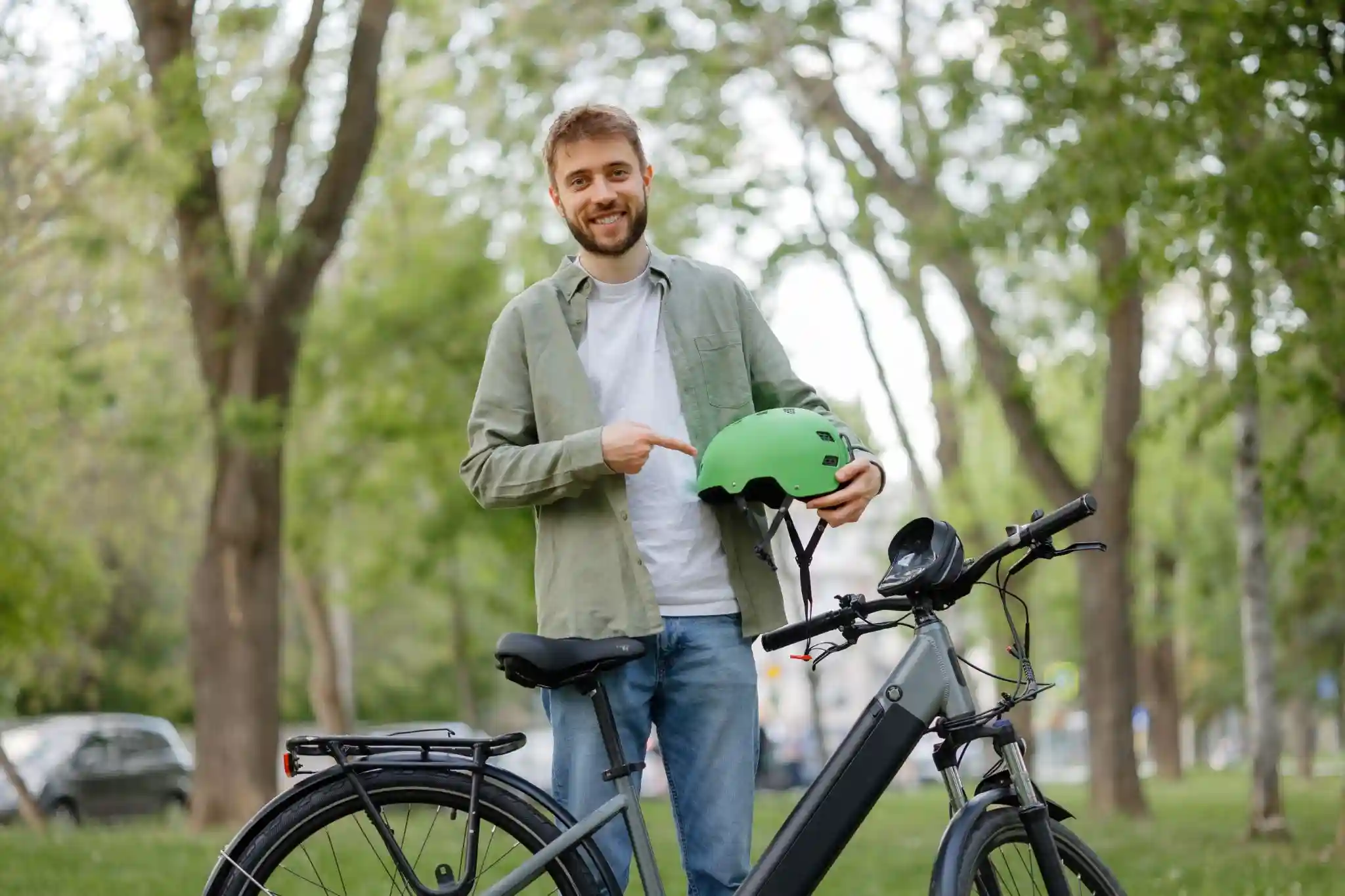
Electric bikes are growing in popularity, with models ranging from budget-friendly options to high-end machines costing thousands of dollars. The question many potential buyers face is whether expensive electric bikes deliver enough value to justify their price. While premium models often boast advanced technology, durable components, and superior performance, they also require a higher upfront investment and careful consideration. In this guide, we’ll explore what drives the cost of electric bikes, the advantages and drawbacks of high-end models, comparisons with mid-range alternatives, and practical tips to help you decide if a luxury e-bike is right for you.
Understanding What Drives the Cost of Electric Bikes
The price of an electric bike is influenced by a combination of materials, technology, and brand reputation. High-end models often incorporate features that enhance performance, durability, and comfort.
Premium Components and Build Quality
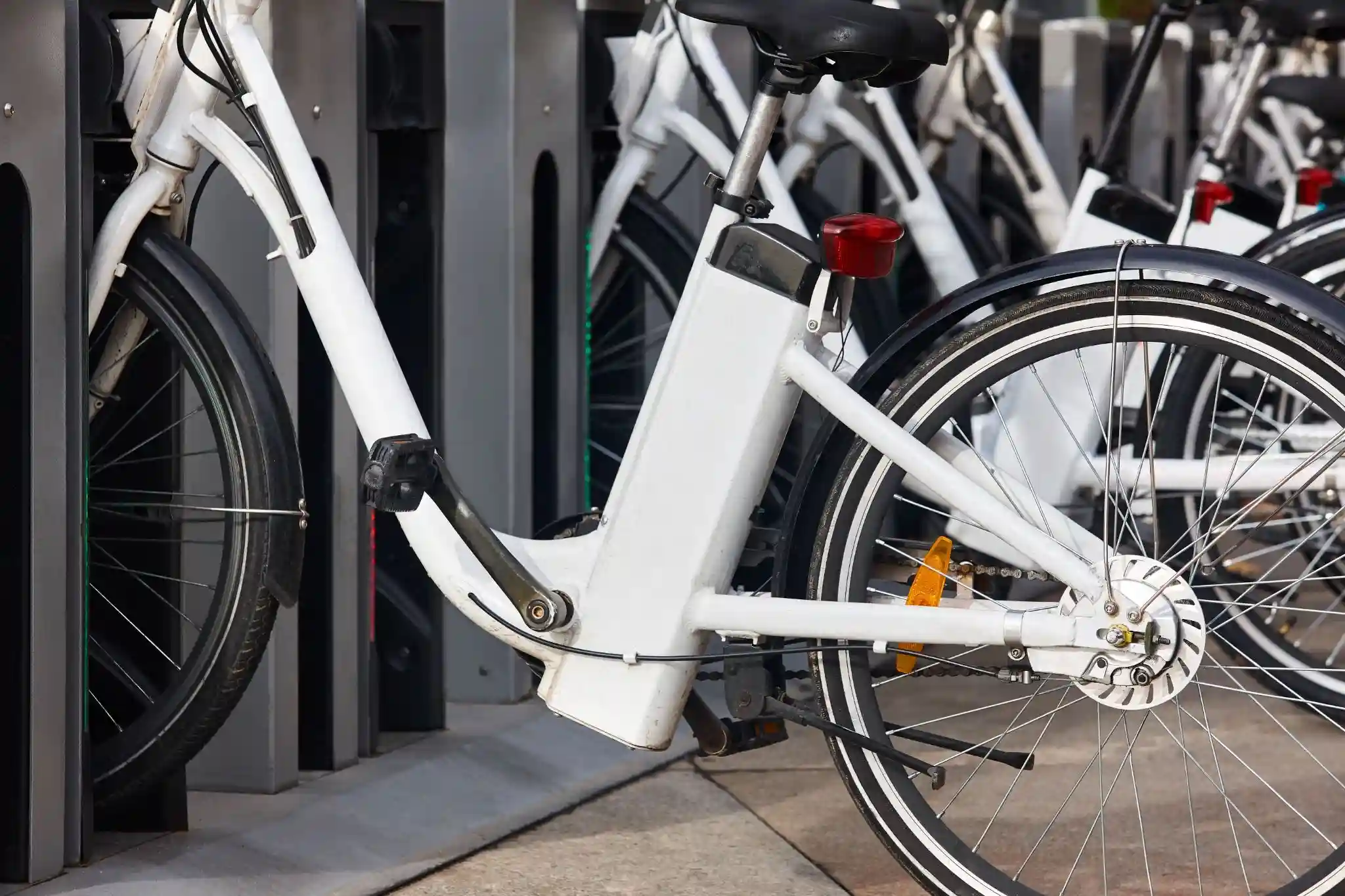
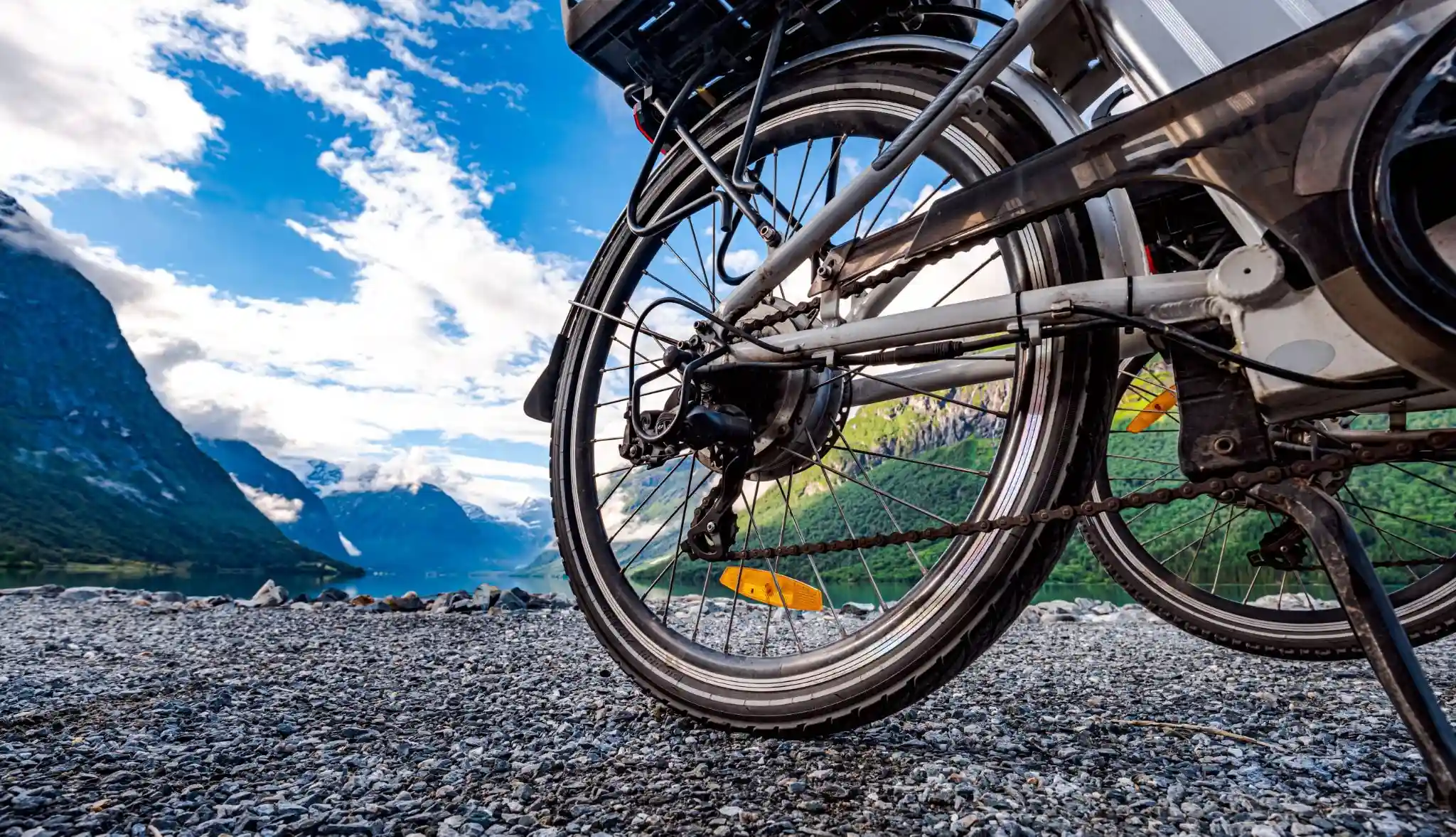
One of the primary reasons expensive electric bikes cost more is the quality of their components. Premium e-bikes typically use high-performance motors, long-lasting lithium-ion batteries, and robust frames made from lightweight materials such as carbon fiber or aluminum alloys. These components improve ride reliability and longevity, reducing the likelihood of frequent repairs. Suspension systems, hydraulic brakes, and wider tires also contribute to a smoother, more stable ride on diverse terrains. While mid-range models perform adequately for casual riders, enthusiasts and commuters often notice the difference in handling, acceleration, and overall durability.
Technology and Features
Technology is another major factor driving costs. Expensive e-bikes often include smart connectivity, integrated displays, GPS navigation, pedal-assist sensors, and regenerative braking systems. Some high-end models allow riders to adjust performance settings through mobile apps, track ride metrics, or even lock and unlock the bike electronically. Advanced suspension systems and ergonomic designs also enhance comfort for long rides or rough trails. These features are not just luxury add-ons—they can significantly improve usability, performance, and safety, which justifies higher prices for serious riders.
Benefits of Investing in Expensive Electric Bikes
Purchasing a high-end e-bike offers several advantages beyond the thrill of owning advanced technology.
Enhanced Performance: Premium motors and battery systems provide higher top speeds, longer ranges, and smoother acceleration. Riders experience consistent power on steep inclines and long-distance rides.
Durability and Longevity: Quality frames, tires, and components reduce wear and tear, leading to fewer repairs over time. A well-maintained high-end e-bike can last many years longer than a budget alternative.
Ergonomics and Comfort: Adjustable saddles, suspension systems, and frame geometry are designed to minimize strain on the rider, allowing longer, more comfortable rides.
Resale Value: High-end e-bikes retain value better than budget models, which can offset some of the upfront cost if you plan to upgrade or sell later.
Energy Efficiency: Premium systems are often optimized for battery efficiency, allowing longer distances per charge and reducing running costs.
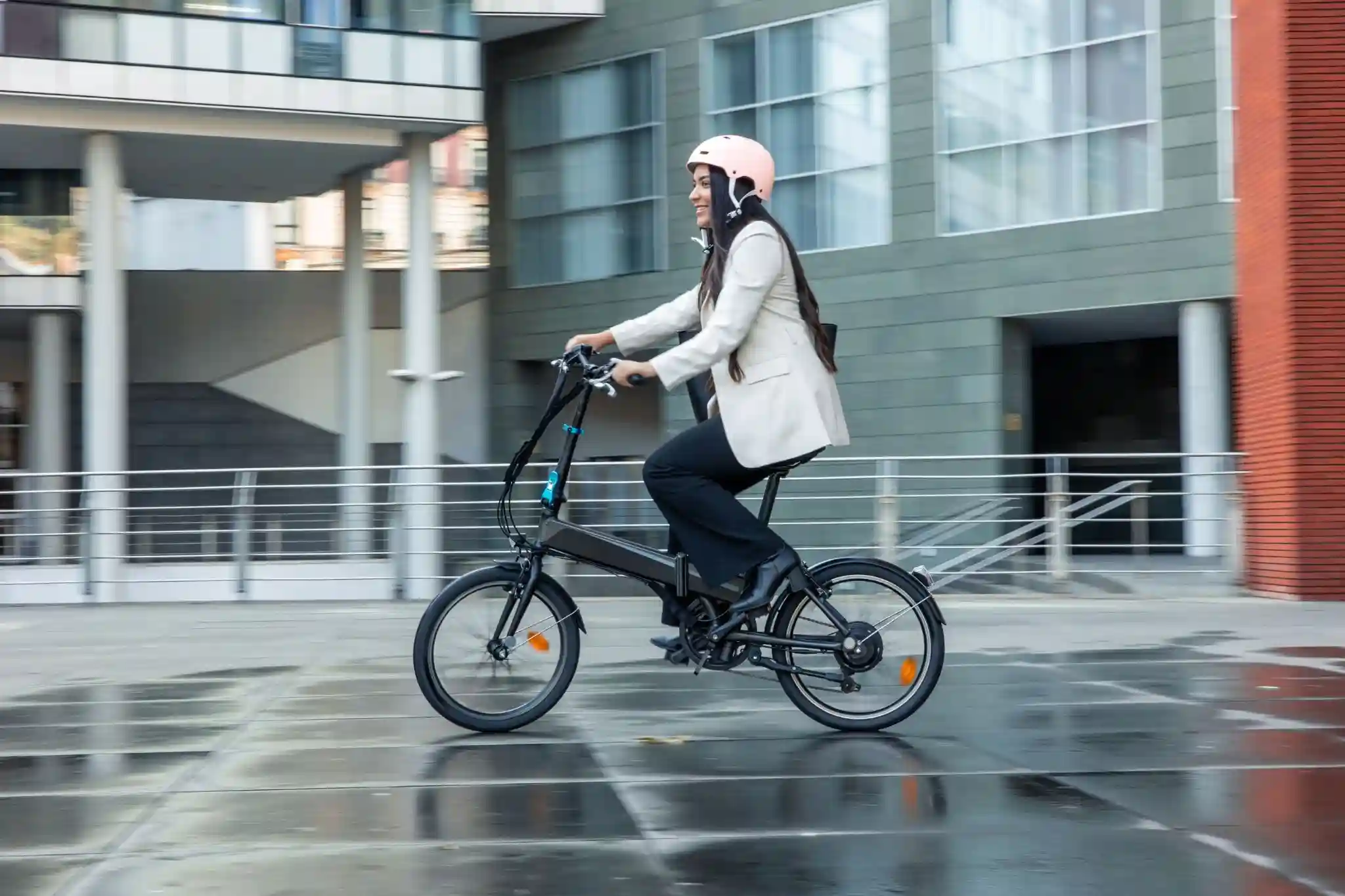
These benefits make expensive electric bikes particularly appealing to daily commuters, long-distance riders, and cycling enthusiasts who prioritize performance and comfort.
Potential Drawbacks and Considerations
While expensive e-bikes offer significant advantages, they also come with potential downsides.
Higher Upfront Cost: Premium e-bikes can cost several thousand dollars, which may not be feasible for all buyers. Budgeting for the initial investment is essential.
Maintenance and Repairs: Advanced components may require specialized maintenance, potentially increasing costs compared to simpler mid-range models.
Theft Risk and Insurance: High-value bikes are attractive targets for theft. Investing in quality locks, insurance, or secure storage is advisable.
Learning Curve: Some features, like customizable pedal-assist levels and smart systems, may require time to master.
These factors underscore the importance of evaluating personal riding habits, needs, and financial readiness before purchasing an expensive e-bike.
Comparing Expensive vs. Mid-Range Electric Bikes
For many buyers, the decision comes down to whether the extra cost translates into meaningful benefits. Comparing performance, features, and long-term value helps clarify the picture.
Performance and Ride Experience
Expensive e-bikes offer superior motors, batteries, and suspension systems, providing smoother rides, faster acceleration, and higher maximum speeds. Mid-range bikes generally suffice for casual commuting or weekend rides, but may struggle on hilly terrain or longer trips. Premium models also include higher-quality brakes, wider tires, and frame materials that enhance stability and control, which can make a noticeable difference for avid riders or those tackling challenging trails.
Cost-to-Benefit Analysis
From a financial perspective, high-end e-bikes can be seen as long-term investments. They often require fewer repairs, deliver longer battery life, and maintain higher resale value. Mid-range models offer decent performance at a lower cost, but may incur additional expenses over time for battery replacements, repairs, or upgrades. Considering the total cost of ownership—including maintenance, battery longevity, and resale—can help determine whether the upfront premium is justified. In many cases, riders who plan to use their e-bike frequently for commuting or long-distance travel benefit more from investing in a high-quality model.
Tips for Deciding if a High-End E-Bike Is Right for You
Making an informed decision requires assessing your personal needs, riding habits, and lifestyle.
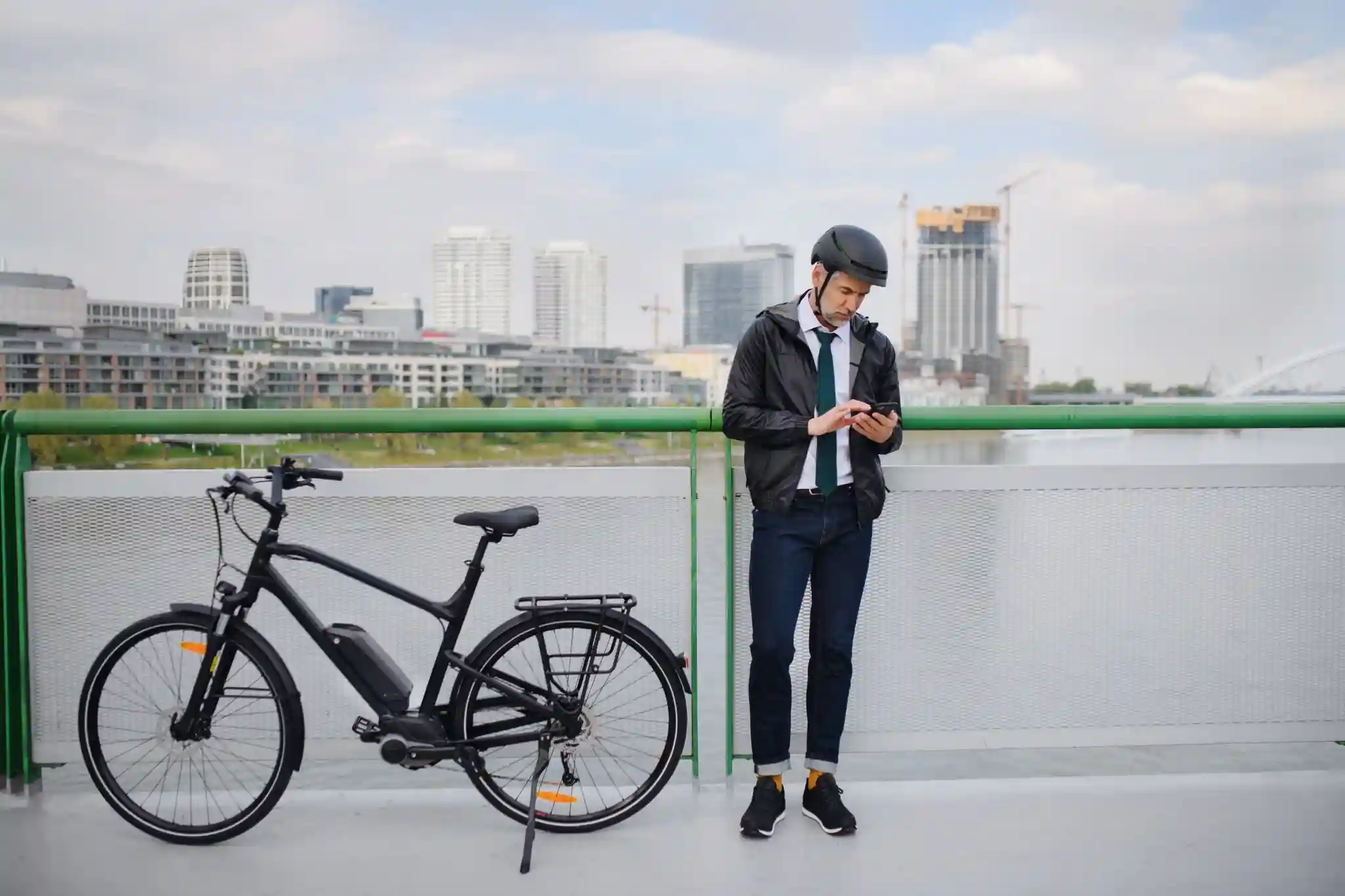
Evaluate Riding Habits: Consider how often you ride, distance, and terrain. Daily commuters or trail enthusiasts often benefit most from premium features.
Budget and Financial Fit: Determine how much you can comfortably invest without impacting other financial goals. Factor in maintenance, insurance, and accessories.
Test Ride: Try multiple models to assess comfort, handling, and features. Real-world experience can reveal differences not apparent on paper.
Long-Term Goals: Think about how long you intend to keep the bike, frequency of use, and potential resale value. A higher initial investment may pay off over time.
Feature Prioritization: Decide which features matter most, whether it’s extended battery range, smart connectivity, or superior suspension. Focus on the ones that enhance your riding experience.
Careful planning and realistic expectations ensure that your purchase aligns with both your lifestyle and budget, making the investment worthwhile.
Conclusion
Whether expensive electric bikes are worth the investment depends on your riding habits, preferences, and financial priorities. Premium models offer advanced technology, better performance, enhanced comfort, and long-term value. They are ideal for serious riders, daily commuters, and anyone seeking a reliable, long-lasting e-bike experience.
However, high upfront costs, specialized maintenance, and security considerations mean buyers must weigh these factors carefully. For casual riders or those with limited budgets, mid-range models may provide sufficient performance without the premium price tag.
Ultimately, informed decision-making is key. By evaluating your needs, testing options, and considering long-term benefits, you can choose the right e-bike that balances cost, features, and enjoyment, ensuring satisfaction for years to come.
FAQs
1. Do expensive electric bikes offer better performance than mid-range models?
Yes, high-end e-bikes have stronger motors, longer battery life, advanced suspension, and better handling, providing smoother rides and higher top speeds.
2. How long do premium e-bike batteries typically last?
High-quality lithium-ion batteries on expensive e-bikes often last 3–5 years with proper care, depending on usage and charging practices.
3. Are maintenance costs higher for expensive electric bikes?
Specialized components can require more frequent or professional maintenance, but durability and fewer repairs often balance costs over time.
4. Is a test ride necessary before buying a high-end e-bike?
Absolutely. Test rides help evaluate comfort, handling, and features, ensuring the bike fits your body and riding style.
5. Can investing in an expensive e-bike save money in the long term?
Yes. Premium e-bikes typically require fewer repairs, maintain higher resale value, and deliver longer battery life, making them a cost-effective long-term investment.