As cities become increasingly congested and environmental concerns grow, many people are considering alternatives to traditional transportation methods. Among these alternatives, electric bikes are gaining popularity for their convenience and eco-friendliness. However, a common question arises: how do electric bikes stack up against traditional bikes in terms of cost? This article will delve into the cost comparison between electric bikes and traditional bikes, examining upfront expenses, maintenance, and long-term savings.
Understanding Electric Bikes and Traditional Bikes
Before diving into the cost comparison, it’s essential to understand what electric bikes and traditional bikes are.
Electric Bikes
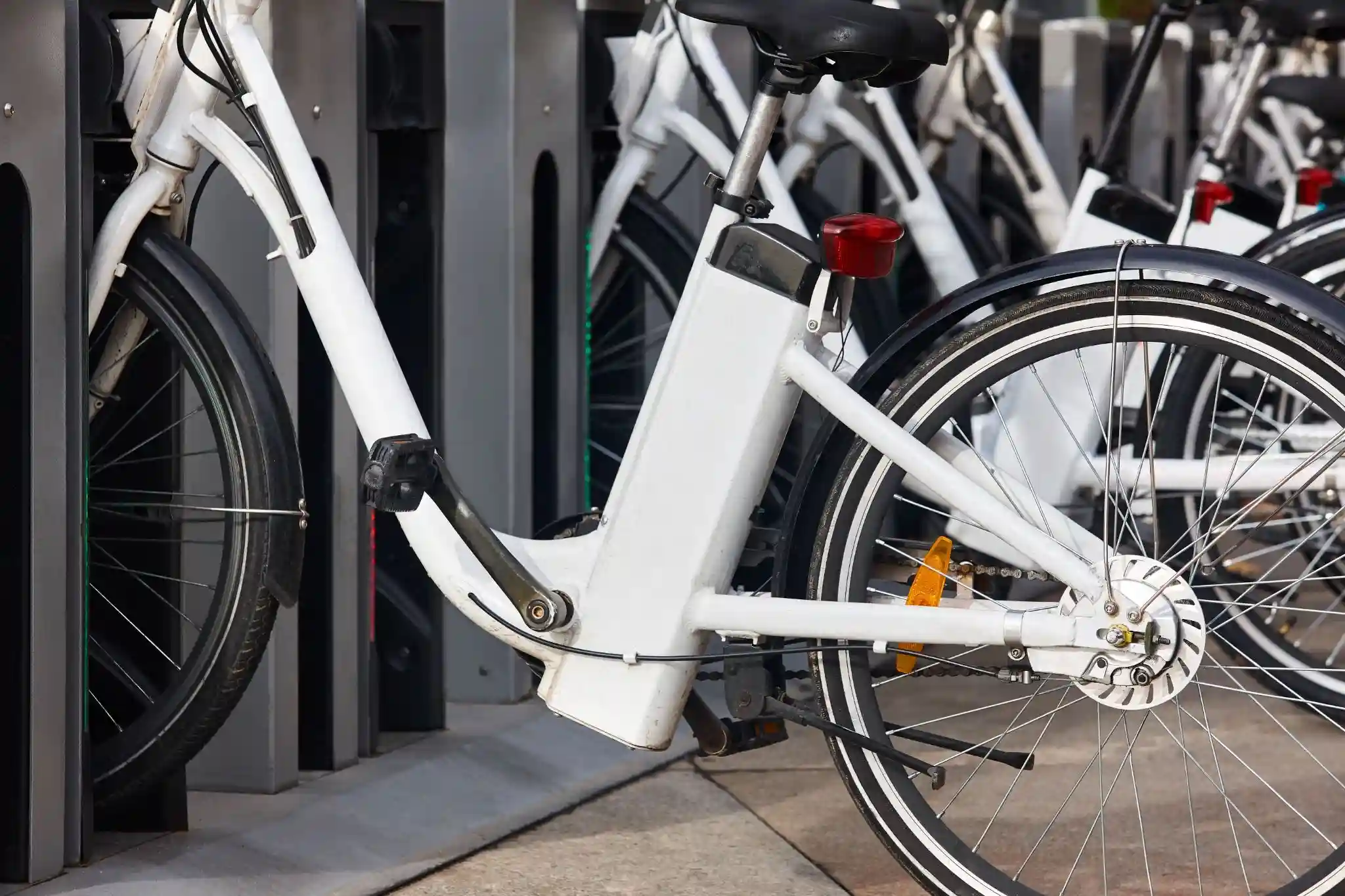
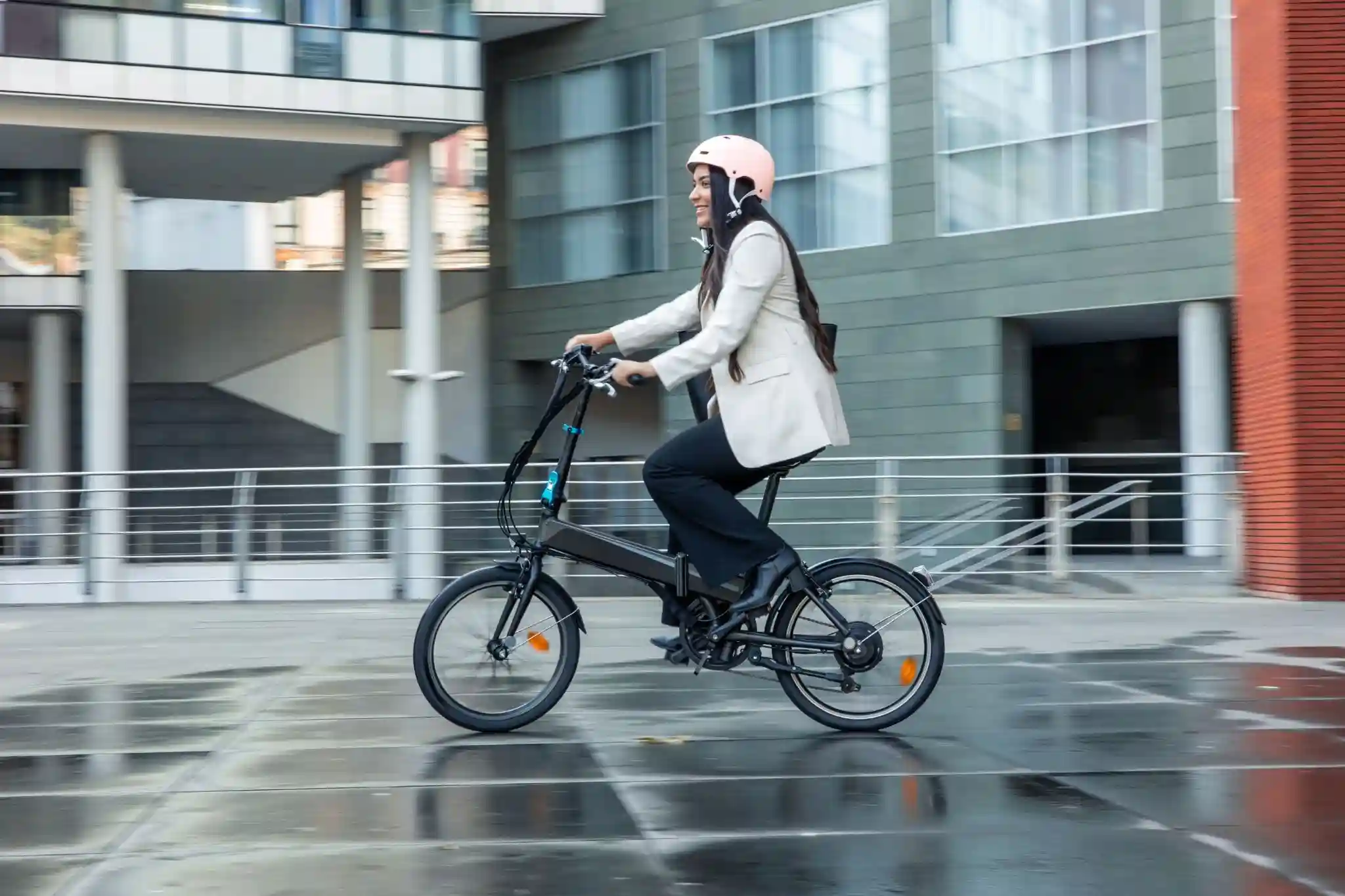
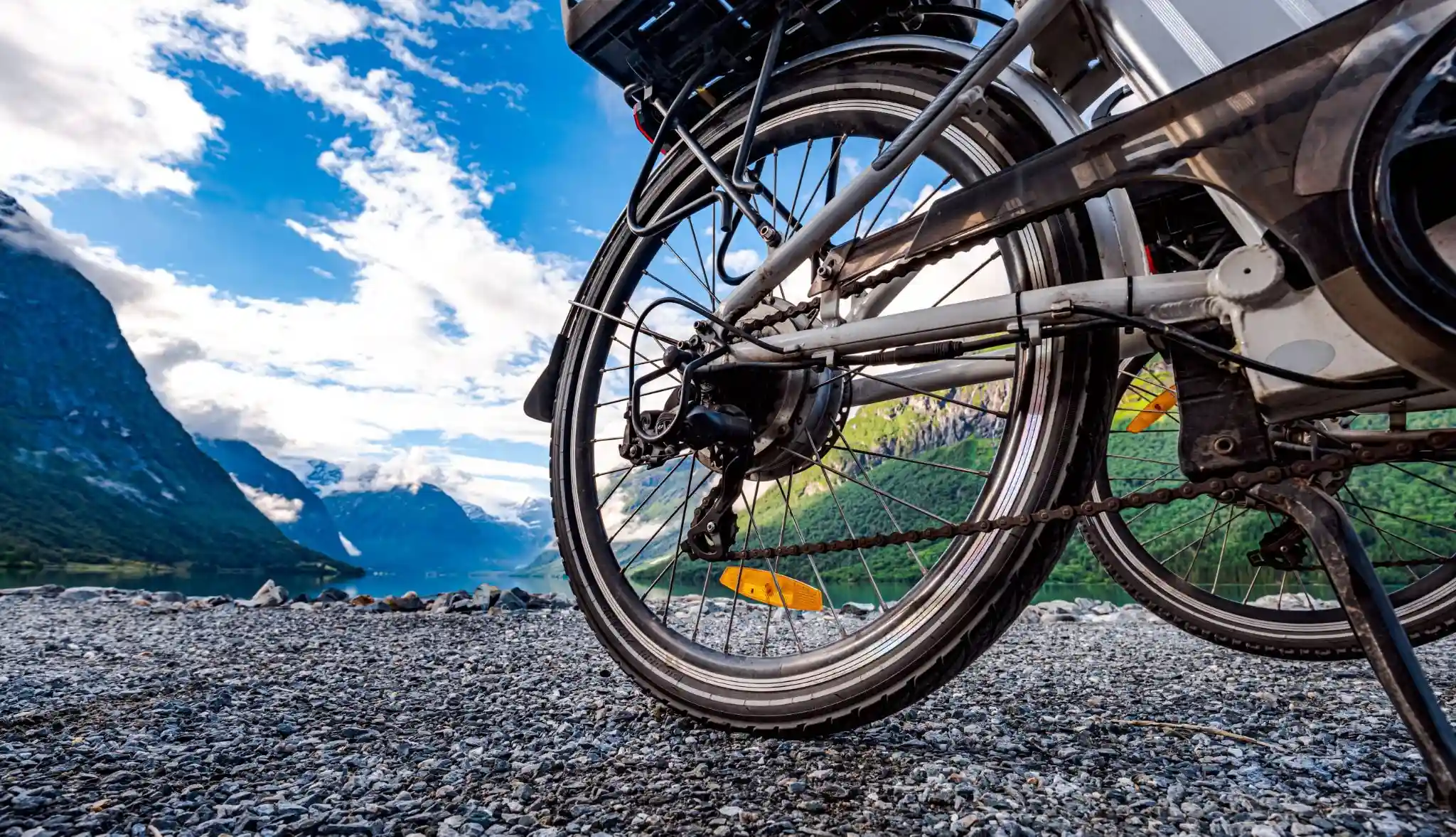
Electric bikes, or e-bikes, are bicycles equipped with an electric motor that assists with pedaling. They come with a rechargeable battery that powers the motor, providing riders with varying levels of assistance based on their preferences. E-bikes can help users tackle hills and long distances with ease, making them a popular choice for commuting and recreational riding.
Traditional Bikes
Traditional bikes, on the other hand, rely solely on human power. They have no motor and require the rider to pedal to propel themselves forward. While traditional bikes are often lighter and can be less expensive, they may require more effort, especially when riding uphill or over long distances.
Upfront Costs: Electric Bikes vs. Traditional Bikes
One of the most significant factors to consider when comparing electric bikes and traditional bikes is the upfront cost.
Electric Bikes
The price of electric bikes can vary widely based on the brand, features, and battery capacity. On average, e-bikes range from $800 to $3,500. High-end models with advanced technology and features can even exceed $5,000. For example, a reputable brand like Trek offers e-bikes starting around $1,500, while premium brands like Specialized can have models exceeding $4,000.
Traditional Bikes
Traditional bikes, while generally less expensive than electric bikes, still come in a range of prices. A basic entry-level bike can cost as little as $300, while mid-range models typically fall between $500 and $1,500. High-performance road or mountain bikes can go upwards of $3,000. For instance, a popular model like the Giant Contend can be found for around $1,200, while entry-level mountain bikes from brands like Schwinn start at about $400.
Summary of Upfront Costs
When looking at the upfront costs alone, electric bikes are significantly more expensive than traditional bikes. However, the higher initial investment in e-bikes can be offset by the benefits they provide, especially for those who rely on them for daily commuting.
Maintenance Costs: Comparing Electric and Traditional Bikes
Maintenance is another critical factor to consider when assessing the cost comparison between electric bikes and traditional bikes. Both types of bikes require regular care, but the nature of their maintenance can differ.
Electric Bikes
Electric bikes typically require more maintenance than traditional bikes due to their electrical components. Some common maintenance tasks include:
Battery Maintenance: E-bike batteries need to be charged regularly and may need to be replaced every three to five years, costing anywhere from $300 to $800 depending on the model.
Motor and Wiring Checks: Regular checks of the motor and wiring are necessary to ensure everything functions correctly. Repairs can be costly, often ranging from $100 to $500 depending on the issue.
Brakes and Tires: Like traditional bikes, e-bikes also require routine maintenance for brakes and tires, which can cost between $50 and $200 annually.
Traditional Bikes
Traditional bikes generally have lower maintenance costs since they lack electrical components. Common maintenance tasks include:
Routine Tune-Ups: Basic tune-ups cost between $50 and $100 and may be needed once or twice a year.
Tire and Brake Replacements: Replacing tires and brake pads is essential and typically costs around $50 to $150 annually.
Chain Maintenance: Chains need cleaning and lubrication, costing about $10 to $30 per year.
Summary of Maintenance Costs
Over time, traditional bikes generally incur lower maintenance costs than electric bikes due to their simpler design. However, the actual costs can vary depending on how often each bike is used and the type of riding performed.
Long-Term Savings: Electric Bikes vs. Traditional Bikes
When considering the total cost of ownership, it’s essential to factor in long-term savings associated with each type of bike.
Fuel and Energy Costs
One of the most significant long-term savings associated with electric bikes is the reduction in fuel costs. For individuals who use their e-bikes for commuting instead of driving, the savings can be substantial.
Electric Bike Energy Costs: The average cost to charge an electric bike battery is about $0.10 to $0.20 per full charge, which can last for 20 to 50 miles depending on the bike. For commuters who ride daily, this equates to a few dollars a week in electricity.
Traditional Bike Energy Costs: Traditional bikes do not incur fuel costs, but they may require more frequent meals due to the physical exertion involved in riding.
Health Benefits and Savings
Riding a traditional bike or an electric bike offers health benefits that can yield long-term savings. Regular biking can lead to improved cardiovascular health, weight management, and reduced healthcare costs. For many, the ability to ride an e-bike can encourage more frequent exercise, contributing to a healthier lifestyle.
Environmental Impact Savings
Both electric bikes and traditional bikes offer significant environmental benefits compared to cars. By choosing to ride instead of drive, individuals can reduce their carbon footprint. E-bikes produce zero emissions during operation, while traditional bikes have no emissions at all. Some cities offer incentives for using eco-friendly transportation, which can lead to further savings.
Real-Life Examples: Cost Comparison Experiences
To provide a clearer picture of the cost comparison between electric bikes and traditional bikes, let’s explore a couple of real-life examples.
Example 1: Commuter Joe
Joe lives in a bustling city and has a 10-mile commute to work. He initially purchased a traditional bike for $600. Over two years, he spent about $200 on routine maintenance and $50 on accessories. His total cost for ownership was $850.
After two years, Joe decided to switch to an electric bike. He invested $1,800 in a mid-range e-bike, which included a solid battery and reliable motor. His energy costs for charging the bike averaged about $5 a month, totaling $120 over two years. He spent $300 on maintenance and repairs during this period.
Total Cost for Electric Bike Ownership: $1,800 + $120 + $300 = $2,220
In this example, Joe spent more on his electric bike over two years, but he found that the convenience and ease of use made it worthwhile.
Example 2: Commuter Sarah
Sarah, a fitness enthusiast, chose a traditional bike for her daily commute. She spent $800 on her bike and incurred minimal maintenance costs of about $150 over two years.
After enjoying her traditional bike, Sarah was intrigued by the idea of an electric bike for longer rides. She eventually purchased one for $2,200. Over two years, her energy costs were about $100, and she spent $250 on maintenance.
Total Cost for Electric Bike Ownership: $2,200 + $100 + $250 = $2,550
While Sarah’s electric bike ownership cost was higher, she found that the added assistance made her longer rides more enjoyable and accessible.
Conclusion: Which Bike is Right for You?
When considering the cost comparison between electric bikes and traditional bikes, it’s clear that both options have their merits and drawbacks. Electric bikes typically require a higher upfront investment and more maintenance, but they provide significant benefits in terms of convenience, ease of use, and long-term savings on fuel.
Traditional bikes, while often less expensive and easier to maintain, require more physical effort and may not be suitable for everyone, especially those with longer commutes or specific physical limitations.
Ultimately, the right choice depends on your personal preferences, budget, and riding needs. Whether you opt for an electric bike or a traditional bike, both provide a sustainable, enjoyable way to travel and stay active.
Frequently Asked Questions (FAQs)
What is the average cost of electric bikes?
Electric bikes typically range from $800 to $3,500, depending on brand and features. High-end models can even exceed $5,000.
How do maintenance costs compare for electric and traditional bikes?
Electric bikes generally have higher maintenance costs due to their electrical components, while traditional bikes have lower maintenance needs.
Can electric bikes save money in the long run?
Yes, electric bikes can save money on fuel costs and offer health benefits, potentially offsetting their higher initial purchase price.