Electric scooters have become a popular mode of transportation, especially in urban areas. They offer a convenient, eco-friendly way to navigate through traffic and explore your city. However, riding electric scooters can pose safety risks, particularly for beginners. Understanding how to ride electric scooters safely is essential for a positive experience.
In this article, we will explore the most effective tips and best practices for beginners to ensure safe riding on electric scooters. From understanding local laws to mastering riding techniques, we will cover everything you need to know to ride confidently and safely. Let’s dive in!
Understanding Electric Scooters
What Are Electric Scooters?
Electric scooters, often referred to as e-scooters, are compact, battery-powered vehicles designed for short-distance travel. They come in various styles and sizes, ranging from lightweight models for casual riders to more robust versions capable of higher speeds. E-scooters have gained traction due to their ease of use, affordability, and minimal environmental impact.
The Rise in Popularity
The popularity of electric scooters has surged in recent years, fueled by the increase in urban commuting and the need for efficient transportation solutions. According to a study by the National Association of City Transportation Officials (NACTO), shared e-scooter trips in the U.S. surged to an estimated 88 million in 2020, showcasing the rapid growth of this transportation mode.
Benefits of Riding Electric Scooters
Riding an electric scooter offers numerous benefits, including:
Eco-Friendliness: E-scooters produce zero emissions, making them an environmentally friendly choice for short commutes.
Cost-Effective: Compared to cars or public transport, e-scooters can save you money on fuel and fares.
Convenience: E-scooters are lightweight and easy to maneuver, allowing riders to navigate through traffic and crowded areas effortlessly.
Safety First: Essential Tips for Riding Electric Scooters
1. Know the Local Laws and Regulations
Before you hop on an electric scooter, it’s crucial to familiarize yourself with local laws and regulations. Different cities and states have varying rules regarding the use of e-scooters, including where you can ride, speed limits, and age restrictions.
For example, in San Francisco, riders must be at least 18 years old to operate an e-scooter, while in other cities, the minimum age might be lower. Make sure to check your local regulations to avoid fines and ensure a safe riding experience.
2. Wear Proper Safety Gear
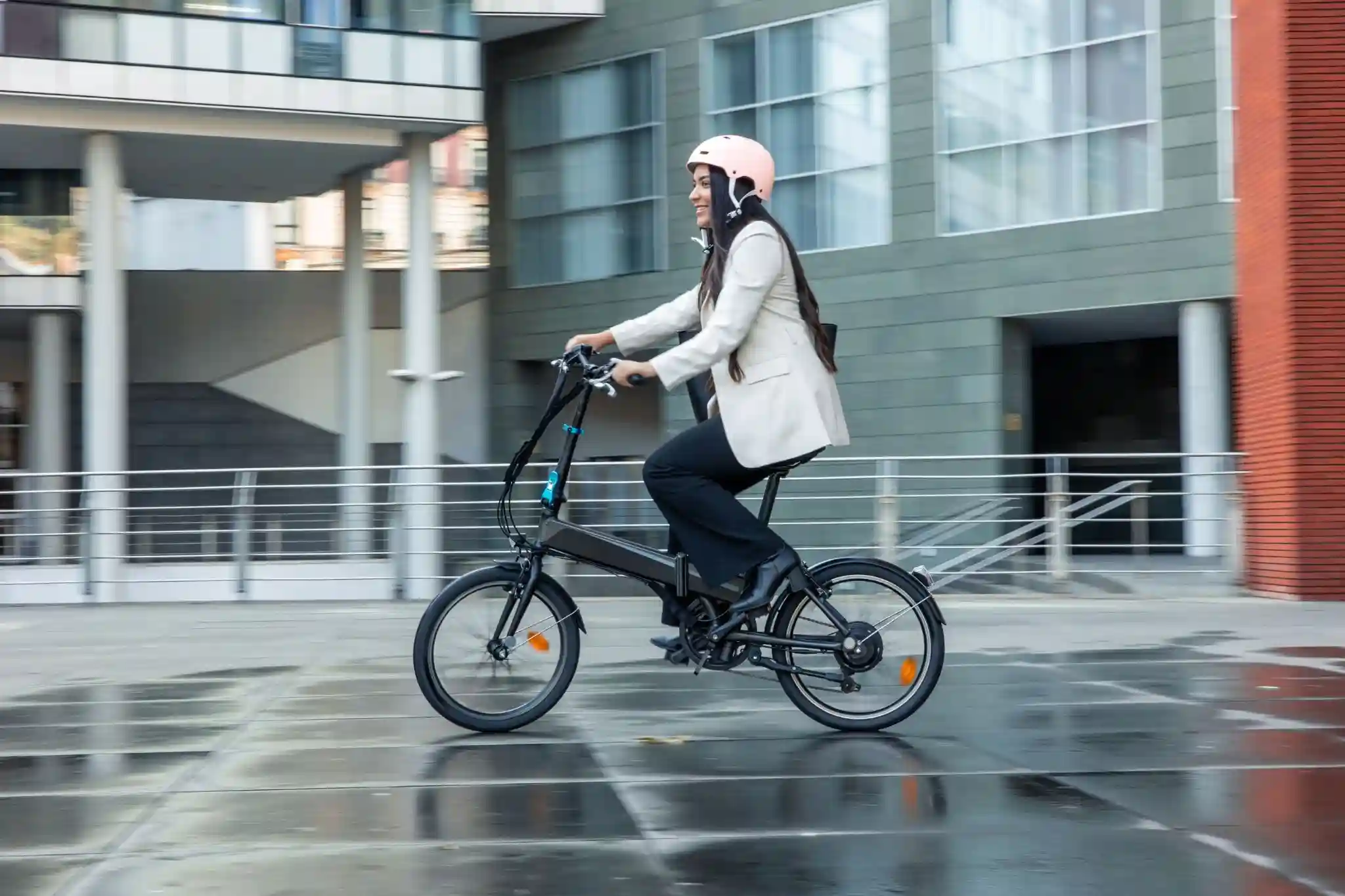
Safety gear plays a vital role in protecting you while riding. Always wear a helmet; it is the most effective way to reduce the risk of head injuries in case of an accident. Besides a helmet, consider wearing knee and elbow pads, especially if you’re a beginner or riding in a crowded area.
A study by the American Journal of Public Health found that helmet use significantly reduces the severity of injuries among e-scooter riders. Investing in proper safety gear can make a substantial difference in your safety and confidence while riding.
3. Inspect Your Scooter Before Riding
Before you ride, take a moment to inspect your electric scooter. Check the brakes, tires, and lights to ensure everything is functioning correctly. A pre-ride inspection can prevent mechanical failures and enhance your safety while riding.
Look for:
Brakes: Ensure they are responsive and not worn out.
Tires: Check the air pressure and look for any visible damage.
Lights: Make sure front and rear lights are working, especially if you plan to ride at night.
4. Start Slow and Practice
If you’re new to riding electric scooters, it’s essential to start slow and practice in a safe environment. Find a quiet area, like an empty parking lot or park, to get comfortable with the scooter’s controls and handling.
Practice starting, stopping, and turning before venturing onto busy streets. This initial practice will build your confidence and help you develop essential riding skills.
5. Maintain a Safe Speed
While it might be tempting to zoom around on your electric scooter, maintaining a safe speed is crucial for your safety and the safety of others. Most e-scooters have built-in speed limits, which can range from 15 to 20 mph.
Adhere to these limits, especially in crowded areas, and adjust your speed according to the environment. Riding at a controlled speed allows you to react quickly to unexpected obstacles, pedestrians, or traffic.
6. Stay Aware of Your Surroundings
Situational awareness is key to riding electric scooters safely. Always be aware of your surroundings, including pedestrians, cyclists, and vehicles. Keep an eye out for road hazards, such as potholes, debris, or uneven surfaces.
Using your peripheral vision can help you notice potential dangers without taking your focus off the road ahead. Avoid wearing headphones while riding, as they can distract you from important sounds, such as traffic or warning signals.
7. Use Hand Signals
Just like riding a bicycle, using hand signals is essential for communicating your intentions to others on the road. Signal when you’re turning or stopping, allowing drivers and pedestrians to anticipate your movements.
Using hand signals reduces the risk of accidents and ensures that you are riding responsibly. Practice these signals in a safe environment until you feel comfortable using them in traffic.
8. Follow Traffic Rules
When riding an electric scooter, treat it like a bicycle or vehicle. Obey all traffic signals and signs, and ride in designated bike lanes when available. If there are no bike lanes, ride as close to the curb as possible while remaining aware of parked cars and opening doors.
Following traffic rules not only keeps you safe but also ensures that you are respecting the rights of other road users. Remember, riding against traffic can be dangerous and is often illegal.
9. Avoid Riding on Sidewalks
In many cities, it is illegal to ride electric scooters on sidewalks. Riding on sidewalks can pose risks to pedestrians and could result in accidents. Instead, use bike lanes or roads designated for vehicles.
If you must ride on a sidewalk due to circumstances, always yield to pedestrians and ride at a slow, controlled speed. Be aware of your surroundings and watch for pedestrians crossing your path.
10. Park Responsibly
When your ride is over, it’s essential to park your electric scooter responsibly. Follow local guidelines for parking, and avoid blocking sidewalks, doorways, or pedestrian pathways.
Most cities have designated parking zones for e-scooters. If you’re using a rental scooter, ensure you park it according to the app’s instructions to avoid fines or penalties.
11. Stay Hydrated and Rest
Riding an electric scooter can be physically demanding, especially if you’re covering long distances. Stay hydrated to maintain your energy levels and focus. If you feel tired, take a break to rest.
Riding while fatigued can impair your judgment and reaction time, increasing the risk of accidents. Listen to your body and don’t hesitate to stop when you need to.
Real-Life Examples of Safe Riding Practices
Example 1: Sarah’s First Ride
Sarah, a college student, decided to rent an electric scooter for her commute to class. Before riding, she checked local regulations, ensuring she was aware of the rules. She wore her helmet and practiced in a nearby parking lot, becoming comfortable with the scooter’s controls.
During her ride, Sarah maintained a safe speed and used hand signals when turning. She stayed aware of her surroundings, avoiding potential hazards. By following these safety practices, Sarah had an enjoyable and safe experience, encouraging her friends to try e-scooters as well.
Example 2: Mark’s Commuting Journey
Mark, a young professional, uses an electric scooter for his daily commute. He always performs a pre-ride inspection and wears his helmet. Mark rides in bike lanes and follows traffic rules diligently.
One day, he encountered a pothole while riding. Thanks to his situational awareness, he noticed it early and was able to slow down and maneuver around it. His cautious approach helped him avoid a potential accident, reinforcing the importance of being aware while riding.
Expert Insights on Electric Scooter Safety
The Importance of Education
According to Dr. David Greenfield, a transportation safety expert, educating riders on electric scooter safety is crucial. “Many accidents occur due to a lack of understanding of traffic rules and safe riding practices,” he notes. “By providing clear guidelines and education, we can reduce accidents and improve safety for everyone on the road.”
Data on E-Scooter Accidents
A study published in the journal Injury Prevention analyzed injuries related to e-scooter use. The research found that approximately 40% of riders suffered injuries due to falls, collisions, or crashes. The majority of these incidents occurred among inexperienced riders. This data highlights the necessity for proper education and safety measures for new riders.
Conclusion
Riding electric scooters can be an exciting and convenient way to travel, but safety should always be a priority. By understanding local laws, wearing appropriate safety gear, and practicing safe riding techniques, beginners can enjoy a positive experience on their e-scooters.
Remember to start slow, stay aware of your surroundings, and follow traffic rules. With these safety tips, you can ride electric scooters safely and confidently, making the most of this modern mode of transportation.
FAQs
1. What should I wear to ride an electric scooter safely?
Always wear a helmet for head protection. Additional safety gear, like knee and elbow pads, can help prevent injuries. Comfortable clothing and closed-toe shoes are also recommended for better grip and mobility.
2. Are electric scooters safe for beginners?
Yes, electric scooters can be safe for beginners if proper safety measures are followed. Understanding local regulations, wearing protective gear, and practicing in safe areas can enhance safety for new riders.
3. How fast can electric scooters go?
The speed of electric scooters varies by model, typically ranging from 15 to 20 mph. Always check the specifications of your scooter and adhere to local speed limits for safety.