Electric scooters have become one of the fastest-growing modes of urban transport. They are convenient, affordable, and efficient for short-distance travel. However, this rapid adoption has also brought a rise in accidents and safety concerns. Understanding Electric Scooter Safety is now essential for both new and experienced riders. Most accidents are preventable when riders combine awareness, proper technique, and safe equipment use.
Why Electric Scooter Safety Has Become a Growing Urban Concern
Electric scooters are now common in cities worldwide. They are used for commuting, food delivery, and casual travel. Their popularity has grown because they reduce travel time and avoid traffic congestion.
However, this convenience comes with risk. Scooters are small, fast, and often share space with cars, bicycles, and pedestrians. This creates a complex environment where mistakes can quickly lead to accidents.
Electric Scooter Safety has become a key issue because urban infrastructure has not fully adapted to this new form of transport. Many roads lack dedicated lanes, and riders often must navigate unpredictable conditions.
As usage increases, so does the number of reported injuries. Most incidents are not caused by one factor alone but by a combination of speed, environment, and rider behavior.
Most Common Types of Electric Scooter Accidents
Understanding common accident types is the first step toward prevention. Most scooter-related injuries fall into a few predictable categories.
Loss of Control and Sudden Falls
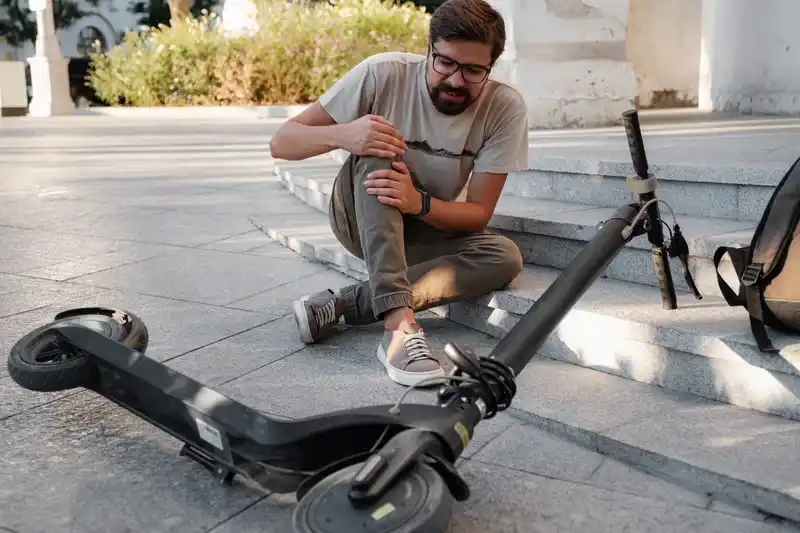
One of the most frequent accidents involves riders losing balance and falling. This often happens during sudden braking, sharp turns, or when riding over uneven surfaces.
Small wheels and lightweight frames make scooters more sensitive to road imperfections. Even minor potholes or cracks can cause instability.
New riders are especially vulnerable because they may not yet understand how to control acceleration and braking smoothly.
Collisions With Vehicles and Cyclists
Another major risk involves collisions with cars or bicycles. These accidents often occur at intersections or during lane changes.
Scooters are smaller and less visible than other vehicles, which increases the risk of being overlooked by drivers. Misjudging vehicle speed or distance is a common cause of impact.
Shared road environments require high awareness and quick decision-making.
Pedestrian Accidents in Crowded Areas
Pedestrian collisions are also common in busy urban spaces. Scooters are often used on sidewalks or pedestrian zones where movement is unpredictable.
Riders may misjudge walking paths or fail to slow down in crowded areas. Even low-speed collisions can cause injury to pedestrians.
Mechanical Failures and Brake Malfunctions
Not all accidents are caused by rider error. Mechanical issues such as brake failure, tire damage, or battery problems can also lead to crashes.
Poor maintenance or low-quality equipment increases the likelihood of sudden failure. Regular inspection is essential for Electric Scooter Safety.
Environmental and Road Conditions That Increase Accident Risk
External conditions play a major role in scooter safety. Even skilled riders can face challenges when the environment is not suitable.
Wet or slippery surfaces reduce traction and increase stopping distance. Rain, oil spills, or loose gravel can make control difficult.
Poor lighting is another major risk factor. Nighttime riding reduces visibility for both riders and drivers, increasing the chance of collisions.
Road infrastructure also matters. Potholes, uneven sidewalks, and construction zones create unpredictable hazards. Riders must constantly scan the environment to avoid sudden obstacles.
Rider Behavior Factors That Lead to Electric Scooter Safety Issues
While environment and equipment matter, rider behavior is one of the biggest factors in accidents.
Speeding and Risky Riding Habits
Excessive speed reduces reaction time. Many accidents occur because riders cannot stop or turn quickly enough to avoid obstacles.
Scooters are often capable of reaching speeds that are unsafe for crowded urban areas. Controlling speed based on surroundings is essential for Electric Scooter Safety.
Distraction From Phones or Headphones
Distractions significantly increase accident risk. Using a phone while riding or wearing headphones reduces awareness of traffic and environmental sounds.
Even a few seconds of distraction can result in missed signals, pedestrians, or sudden obstacles.
Lack of Protective Gear Usage
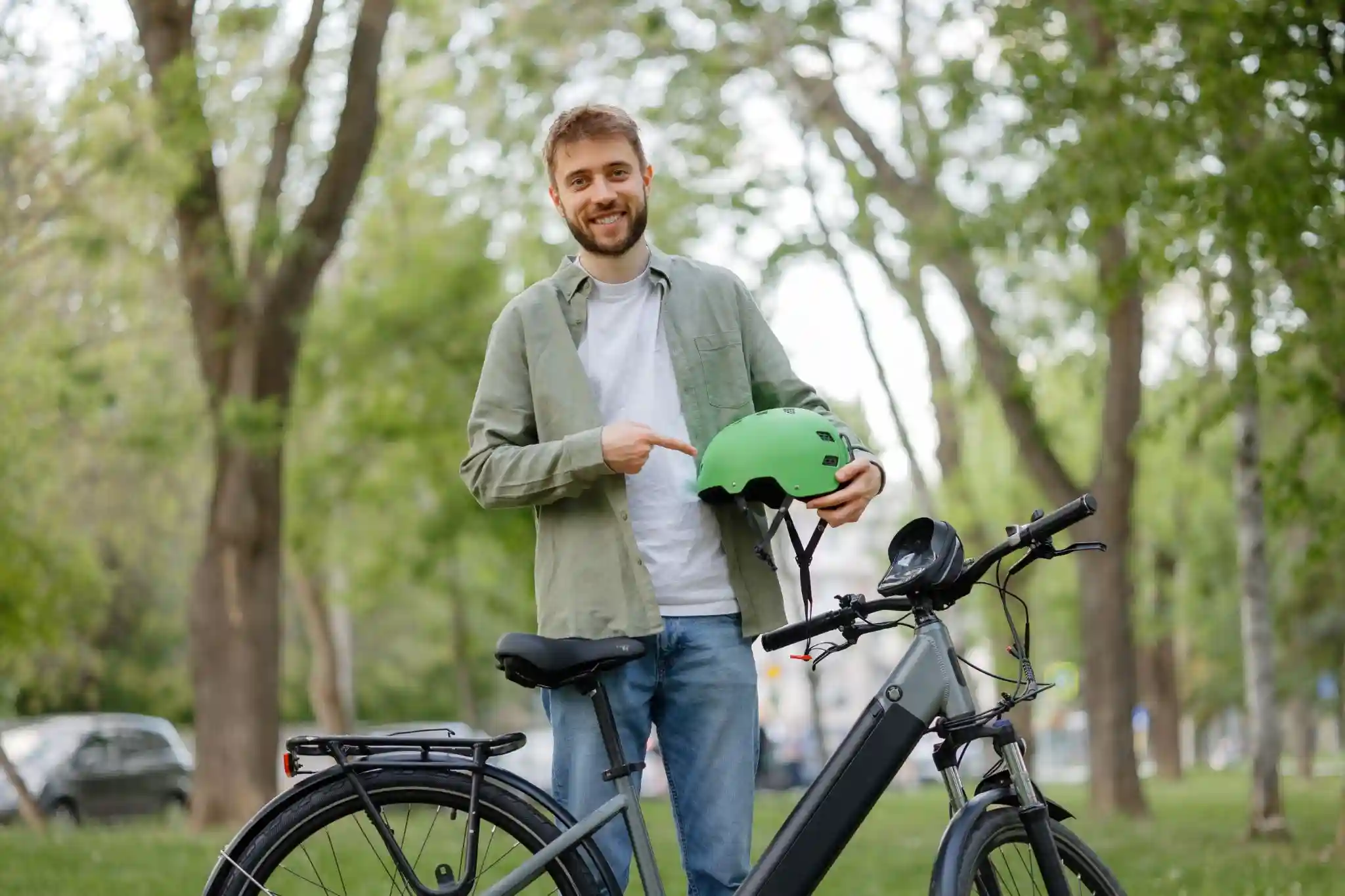
Many riders do not wear helmets or protective gear. This increases the severity of injuries during accidents.
Helmets, knee pads, and reflective clothing can significantly reduce harm. Despite this, protective gear is often overlooked due to convenience or discomfort.
How to Improve Electric Scooter Safety Through Proper Riding Techniques
Good riding habits can greatly reduce accident risk. Smooth acceleration and braking help maintain stability. Sudden movements should be avoided whenever possible.
Maintaining a balanced posture improves control. Riders should keep both hands on the handlebars and stay centered on the scooter deck.
Turning should be done gradually rather than sharply. Leaning slightly into turns improves balance and reduces the chance of tipping over.
Anticipating traffic behavior is also important. Riders should assume that vehicles or pedestrians may move unpredictably and plan accordingly.
Role of Equipment Quality in Preventing Scooter Accidents
Equipment quality plays a major role in Electric Scooter Safety. Reliable brakes are essential for safe stopping, especially in emergencies.
Tire quality affects grip and stability. Pneumatic tires generally perform better on uneven surfaces compared to solid tires.
Battery systems should be well-maintained to prevent sudden power loss during rides.
Scooters with advanced safety features such as anti-lock braking systems, shock absorption, and stability control offer better protection in challenging conditions.
Choosing a high-quality scooter is a long-term investment in safety, not just performance.
Urban Infrastructure and Its Impact on Electric Scooter Safety
City design strongly influences accident rates. Infrastructure that supports scooters can significantly reduce risks.
Dedicated Bike Lanes and Scooter Paths
Dedicated lanes provide safer space for scooters, separating them from fast-moving vehicles. This reduces collision risk and improves traffic flow.
Cities with proper cycling infrastructure tend to have fewer scooter-related accidents.
Poor Road Design and Shared Traffic Zones
In many areas, scooters must share space with cars and pedestrians. This creates confusion and increases accident risk.
Mixed-traffic environments require higher awareness and more cautious riding behavior.
Legal Rules and Regulations That Influence Electric Scooter Safety
Government regulations also play a role in safety outcomes. Speed limits are often set to reduce accident severity in urban areas.
Helmet laws vary by region, but they significantly impact injury rates where enforced.
Some cities restrict scooter use in pedestrian-heavy zones to prevent accidents. Parking regulations also help reduce clutter and hazards on sidewalks.
Understanding and following local laws is an important part of responsible riding.
Practical Prevention Strategies for Everyday Riders
Daily habits have a strong impact on Electric Scooter Safety. Pre-ride checks should include brakes, tire condition, and battery level.
A defensive riding mindset is essential. Riders should expect unexpected behavior from others on the road and stay prepared to react.
Weather conditions should always be considered before riding. Avoiding wet or high-wind conditions can reduce risk significantly.
Navigation apps can help identify safer routes with bike lanes or less traffic. Choosing the right path is as important as riding skill.
Conclusion
Electric scooters offer a fast and convenient way to travel, but they also come with real safety risks. Most accidents occur due to a combination of speed, environment, equipment, and rider behavior.
Electric Scooter Safety improves significantly when riders understand these risks and take proactive steps to reduce them. Proper technique, quality equipment, and awareness of surroundings all work together to prevent accidents.
As cities continue to adapt to micro-mobility, safer infrastructure and better education will further reduce risks. Until then, responsible riding remains the most important factor in staying safe on electric scooters.